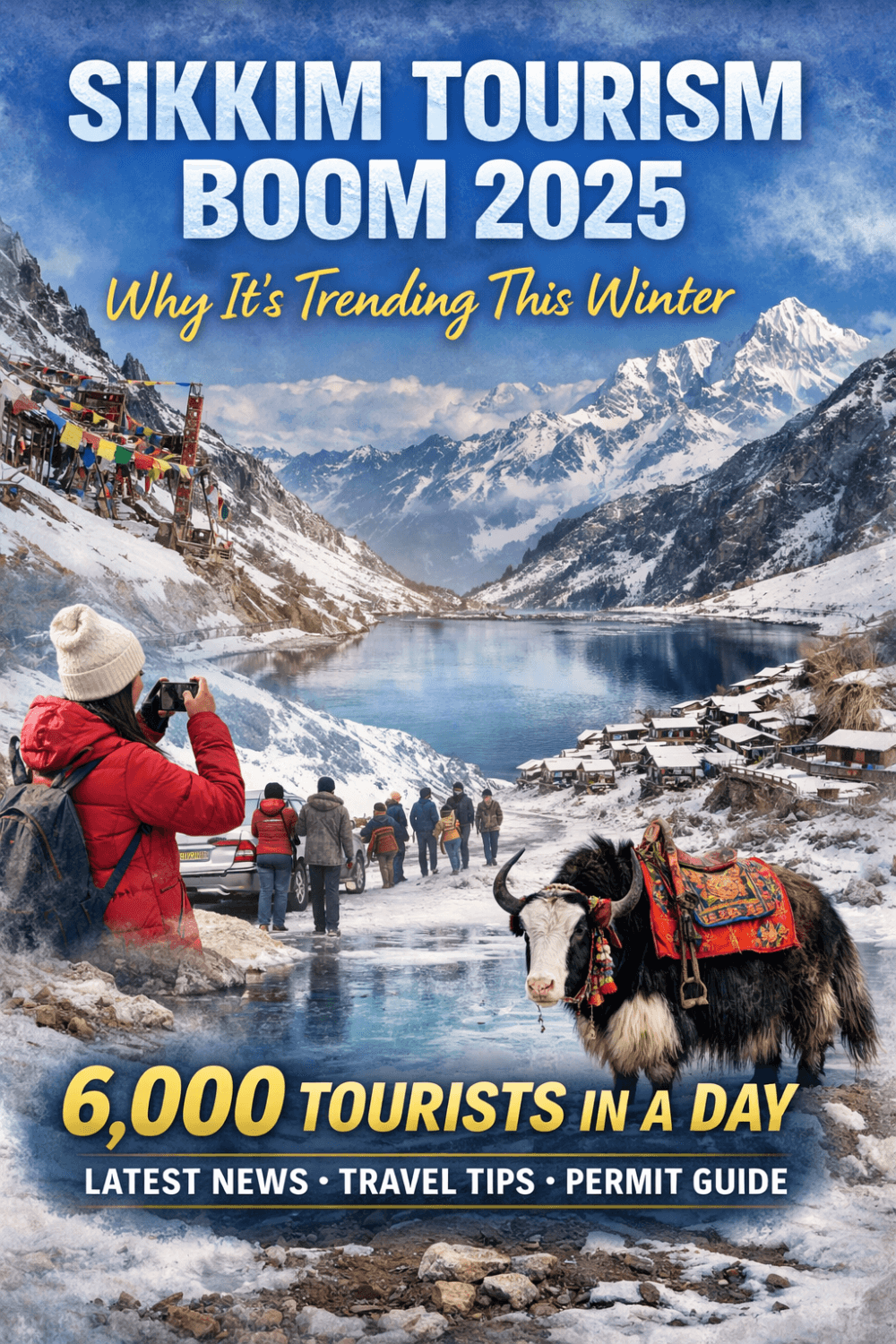
Sikkim Tourism Boom 2025: A Traveller’s Story Behind the Viral Winter Rush
Sikkim is in the headlines this winter. At the same time, official estimates say Sikkim has already crossed 1.2 million visitors by October 2025, on track to hit 17–18 lakh tourists by year-end—a record for this tiny Himalayan state.India Today NE Add to that its listing among National Geographic’s “coolest places to visit in Asia in 2024”, and it’s clear: Sikkim is one of India’s hottest (and coldest!) trending travel destinations right now. This isn’t just a number story, though. It’s also the story of travellers like you. When Aditi, a 27-year-old from Pune, saw the headline “Heavy winter tourist rush in Sikkim; over 6,000 visit Nathula–Tsomgo in a day”, she felt two opposite emotions at once: Excitement: “Wow, Sikkim must be magical right now.” Fear: “Will I even get a hotel or permit if I go?” Maybe you’re feeling the same. So she did what most of us do: opened ten tabs—Gangtok hotels, Tsomgo Lake reels, “Sikkim permits 2025”, “best time to visit Sikkim” and that one scary article about overtourism and fragile mountains. Instead of giving up, she decided to plan her trip the smart way—using the very news that scared her as a guide. Let’s break down what’s actually happening: 6,080 tourists visited the Nathula–Tsomgo belt in a single winter day (28 December 2025). 1,516 tourist vehicles did that route in just one day. Continuous snowfall in popular locations is pulling snow-lovers, bikers and families from all over India. What it means for you: Sikkim’s tourism graph looks like a movie plot: 2020: COVID lockdowns – borders closed, tourism crashed. October 2023: A glacial lake outburst flood (GLOF) on the Teesta river damaged roads, bridges and cut off North Sikkim for months. 2024–25: Massive recovery. By October 2025, Sikkim crossed 1.2 million visitors, and is projected to touch 17–18 lakh by year-end, surpassing pre-pandemic levels. What it means for you: Sikkim has been listed by National Geographic as one of the top 30 places to visit in Asia for 2024. The state tourism website highlights themes like trekking, village tourism, bike rides, heritage walks, eco-tourism awards, and events like the International Street Food Festival 2025 and Sikkim Rural Tourism Meet 2025. What it means for you: Because of the tourism boom—especially in fragile zones like North Sikkim—the government introduced a Sikkim Tourist Permit Policy 2025: Key points: Stricter permits for North & East Sikkim (Lachen, Lachung, Gurudongmar, Tsomgo, Nathula, Baba Mandir, etc.). Digital permit system – you apply online through tour operators; no more random last-minute jugad. Daily visitor caps at high-altitude spots like Gurudongmar Lake & Zero Point. Foreign tourists face stricter rules – e.g., not allowed beyond certain points like Nathula and Gurudongmar. Single-use plastic banned in protected zones; eco-briefings made mandatory. What it means for you: Let’s go back to Aditi. She steps onto MG Marg in Gangtok on a cold December evening. Fairy lights. Kanchenjunga peeking over the horizon. “No Vacancy” signs on half the hotels. Queues outside cafés, moms bargaining for jackets at street stalls, bikers in neon jackets planning the next morning’s ride to Tsomgo. This is the tourism boom you’ve been reading about—live. Travel tip: Book hotels in Gangtok at least 3–4 weeks in advance for December–January, especially if you want MG Marg or view rooms. At 6 AM, her shared cab starts the climb towards Tsomgo Lake. At the check-post, there’s a line of cabs and bikers waiting for permit verification. Her driver casually mentions: “Kal 1,500 gaadi gaye the is route pe” (Yesterday, around 1,500 vehicles went this way). Up at Tsomgo Lake, she sees: Frozen patches of turquoise water. Yaks waiting for tourists. Dozens of people clicking selfies at the same three spots. Is it crowded? Yes. Travel tip: Carry thermals, gloves, woollen cap and proper shoes (sports/trek; no flimsy sneakers). Avoid heavy exertion; the altitude is high and oxygen thinner. Start as early as possible to beat both crowds and afternoon weather changes. North Sikkim is where overtourism worries are loudest. Reports say villages like Lachung are running at full hotel capacity, with traffic and waste already exceeding the local carrying capacity. When Aditi reaches Lachung: Every second building is a homestay or hotel. Parked tourist cabs line the narrow roads. Yet, above all of that, the mountains remain silent and stunning. The next morning, she visits Yumthang Valley: Snow-dusted slopes. Frozen streams. A silence that still somehow survives the tourist rush. Travel tip: Choose homestays run by locals that follow eco-rules (no plastic bottles, proper waste handling). Don’t litter, don’t pluck flowers or plants, and respect “no entry” areas—these rules exist to keep Yumthang and similar places alive for future travellers. Instead of chasing every “top 10” spot, Aditi does what the Sikkim government is quietly encouraging—slowing down and exploring alternate areas. She spends: A sunrise in Pelling, watching Kanchenjunga turn from grey to gold. An evening at a village homestay, learning how to make local dishes and sipping hot tea by a wood stove. This is the Sikkim that doesn’t trend every day on Instagram—but it’s the Sikkim that stays in your memory. Now, let’s turn the story into a step-by-step, practical guide for you. Winter (Dec–Feb): Snow, frozen lakes, New Year rush, road closures possible. Super popular right now. Spring (Mar–Apr): Rhododendrons, pleasant weather, still some snow in higher areas. Autumn (Oct–Nov): Clear skies, festival time, great for views and treks. Monsoon (Jul–Sep): Lush green but higher landslide risk; many avoid this. If you want snow without peak chaos, target mid-Jan to mid-Feb (but be flexible about road closures). No Permit Zones (mostly): Gangtok, Pelling, Namchi, Ravangla, most of West & South Sikkim. Permit Zones (PAP/RAP): North Sikkim: Lachen, Lachung, Yumthang, Zero Point, Gurudongmar. East Sikkim: Tsomgo Lake, Nathula, Baba Mandir, Zuluk. 2025 Changes You Must Know: Most permits are now digital, processed online through registered tour operators. Daily caps exist for some high-altitude places—last-minute is risky. Foreign nationals have stricter restrictions (no Nathula, no Gurudongmar, limits beyond Thangu, etc.). Practical takeaway: A. Classic First-Timer (6–7 Days) Day 1: Arrive Gangtok Day 2: Local sightseeing (MG Marg, monasteries, view points) Day 3: Tsomgo Lake + Baba Mandir (Nathula if allowed) Day 4: Drive to Lachung Day 5: Yumthang (Zero Point if open) → back to Gangtok Day 6: Pelling or Namchi day trip Day 7: Departure B. Slow & Sustainable (8–9 Days) 2–3 nights Gangtok 2 nights North Sikkim (Lachung/Yumthang or Lachen/Gurudongmar – not both in peak winter) 2 nights Pelling (Kanchenjunga views) 1–2 nights village homestay (West or South Sikkim) Actual prices vary by season and comfort level. Shared cab NJP/Bagdogra → Gangtok: ₹500–₹800 Mid-range hotel in Gangtok: ₹2,000–₹3,000/night North Sikkim 2N/3D package (with food, stay, cab, permits – sharing): ₹4,500–₹8,000 Tsomgo/Nathula day trip (sharing cab): ₹900–₹1,500 Bike rentals (where available in Gangtok/Pelling): increasingly in demand; prices rising due to shortage during the current boom. Money-saving tip: Travel in a group of 4–6 so you can book a full cab and split costs. Thermals (top & bottom) Fleece / woollen sweater Padded jacket (preferably water-resistant) Woollen cap, muffler, gloves Good sports/trek shoes + woollen socks Sunglasses + sunscreen (snow glare is real!) Reusable water bottle (plastic is banned in many protected areas) Basic medicines (especially for cold, motion sickness, and mild altitude discomfort) Sikkim’s own policies are pushing for eco-tourism & responsible travel. Here’s how you can support that: Book registered operators & licensed guides. Avoid plastic bottles & snack packets as much as possible; carry a reusable bottle and box. Stay in certified homestays where your money directly supports local families. Respect permit rules – don’t pressure drivers or agents to “adjust” or break norms. Stay on marked trails, especially around lakes and pastures. These are fragile ecosystems. Travel in off-peak months (April, September, early November) if you can—to reduce pressure on destinations. Sikkim is in the news for record numbers, policy changes and overtourism fears—but for you, it can still be something much simpler: A first snowfall. A cup of butter tea in a wooden kitchen. Prayer flags fluttering above a frozen valley. Like Aditi, you just need to plan around the news instead of being scared by it: Use the boom as a reminder to book early. Use the new permit rules as a guide to organise your route properly. Use the overtourism warnings as motivation to travel more gently and thoughtfully.
On 28 December 2025, more than 6,000 tourists visited the high-altitude Nathula–Tsomgo belt in a single day, with hotels in hubs like Gangtok, Pelling and Lachung reporting near-full occupancy.From a News Headline to a Personal Journey
Why Sikkim Is Suddenly Everywhere in Travel News
1. Record Winter Footfall
Expect crowds at famous spots (Nathula, Tsomgo, Zuluk, Yumthang) in peak months—especially December, New Year and long weekends.2. Tourism Boom After a Tough Few Years
Infrastructure is largely restored and tourism is booming again—but that also means more people on the same fragile mountain roads.3. Global Attention & Government Push
You’re not just visiting “another hill station”; you’re entering a region that’s actively positioning itself as a premium eco-tourism and adventure destination.4. New Rules: Sikkim Tourist Permit Policy 2025
Planning in advance is no longer optional. It’s the only way to actually reach North/East Sikkim’s star locations.Aditi’s Sikkim Story: How the Trip Actually Feels
Think of this as a “walkthrough” of your future trip.Day 1–2: Gangtok – First Look at the Boom
Day 3: Tsomgo Lake & Baba Mandir – Where the Numbers Come Alive
Is it worth it? Also yes—if you come prepared (mentally and physically).Day 4–5: Lachung & Yumthang – Beauty vs. Overtourism
Day 6–7: Slow Travel – Pelling, Namchi or a Village Stay
How to Plan a Sikkim Trip in 2025–26
1. Decide Your Season Smartly
2. Understand Sikkim’s Permit Logic
Always book your North/East Sikkim packages (cab + hotel + permits) through a registered local operator 2–3 weeks in advance for peak season.3. Choose Your Style of Trip
4. Budget Snapshot (Indicative, Per Person – Ex-NJP/Bagdogra)
5. Packing Checklist for Sikkim (Especially Winter)
How to Travel Responsibly in a Trending Sikkim
Final Thought: Turning a Trending Destination into Your Story
FAQs
Is Sikkim safe to visit after the 2023 Teesta flood?
Do I really need a tour operator, or can I go fully DIY?
Which is better in winter – North Sikkim or East Sikkim?
Can foreign tourists go everywhere in Sikkim?
Your first trek isn’t about proving anything. It’s about experiencing something real. When you go with a Zentrail batch, you’re not just walking trails — you’re joining a tribe.
Still unsure?
DM us on Instagram or drop your questions in the comments below. Our past trekkers love helping first-timers.
Suggested News

Published on
February 14, 2026
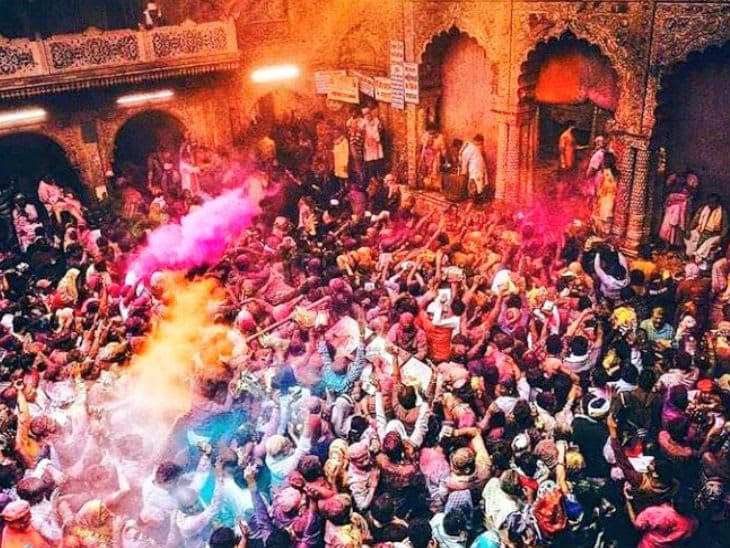
Vraj Ki Holi 2026: The Ultimate Guide to Holi in Mathura Vrindavan 2026
Plan Vraj Ki Holi 2026 with complete Braj Holi dates, Barsana Holi time, Mathura Vrindavan celebrations, travel tips & 40 days Holi details.

Published on
February 6, 2026
Hampi Festival 2026: Guide to Karnataka's Grandest Cultural Heritage Celebration
Discover the magic of Hampi Festival 2026. Explore dates, cultural events, and heritage sites at this UNESCO World Heritage celebration in Karnataka.

Published on
February 4, 2026
Surajkund International Craft Mela 2026 – Complete Travel & Visitor Guide
Checkout the complete guide of surajkund international mela 2026. Dates, tickets, venue, timings, partner nation Egypt, theme states, activities & travel detail

Published on
February 4, 2026
Lingaraj Temple Bhubaneswar Illuminated for Mahashivratri 2026
Lingaraj Temple in Bhubaneswar is illuminated ahead of Mahashivratri 2026 (15 Feb). Explore history, significance, rituals, and FAQs.