
Everything You Need to Know Before Visiting Jibhi (Travel, Weather, Safety & Itinerary )
There are places you visit. Jibhi belongs to the second kind. No traffic noise. No neon cafés competing for attention. No rush to tick off attractions. If you’re planning a trip to Jibhi and want one single guide that tells you where it is, how to reach, when to go, what to expect, how safe it is, how many days you need, and whether it’s even worth it — you’re in the right place. This is not a rushed checklist. Jibhi is a small mountain village tucked away in Himachal Pradesh, far from the usual tourist highways. Administratively, it lies in the Kullu district, within the lesser-known Banjar Valley. Geographically and culturally, Jibhi is closely connected to Tirthan Valley, a region shaped by the calm flow of the Tirthan River. This matters because valleys define the personality of a place — and Tirthan is known for silence, forests, trout-filled rivers, and slow village life. That’s why Jibhi feels different from Manali or Kasol. How to Reach Jibhi (The Journey Is Part of the Experience) Reaching Jibhi is not complicated — but it does require understanding the final stretch, which many first-time travelers miss. Most travelers start from Delhi. The route usually goes: For the first few hours, it feels like any highway journey. But once you cross Aut, something shifts. The road narrows, the river appears beside you, and pine forests start replacing buildings. Mobile networks weaken, but somehow, that feels like a relief. Distance: ~500 km Time: 12–14 hours (including breaks) If you don’t want to drive: Overnight buses run from Delhi to Aut or Banjar From there, a local taxi takes you to Jibhi in 30–45 minutes If you prefer a smooth, pre-planned journey with verified stays and local insights, Zentrail’s Jibhi Tour Package is designed exactly for this route. Chandigarh is a popular entry point for North India travelers. Distance: ~250 km Travel time: 8–9 hours Road conditions are generally good, and the scenery improves dramatically after Aut. Nearest Airport: Bhuntar (Kullu) – about 52 km Nearest Railway Stations: Chandigarh, Una From both, road travel is mandatory — and honestly, that’s where Jibhi begins to feel like Jibhi. Many people plan Jibhi as part of a larger Himachal trip. Here’s how far it actually is: Delhi to Jibhi – ~500 km Chandigarh to Jibhi – ~250 km Manali to Jibhi – ~100 km Kasol to Jibhi – ~80 km This makes Jibhi perfect for a long weekend or a slow 4–5 day escape. Jibhi changes its personality with the seasons — and choosing the right month can completely shape your experience. Spring arrives quietly in Jibhi, almost as if the valley is stretching awake after winter. Forest floors begin to bloom with wildflowers, streams run clearer, and the air carries a fresh, earthy calm that feels instantly soothing. Days remain pleasantly cool, perfect for long walks, light treks, and unhurried exploration without summer crowds. April is especially ideal for first-time visitors who want comfortable weather, open roads, and Jibhi at its most balanced and welcoming. June is when Jibhi quietly proves why it’s considered one of the best summer travel destinations in Himachal. While cities struggle with heat and noise, this little mountain village remains cool, shaded by thick forests and gentle mountain breezes. The days are bright, the landscapes are lush green, and the weather is ideal for treks, waterfall visits, and slow café mornings. It’s a perfect month for families, couples, and anyone seeking relief from peak summer chaos. August brings heavy rain to Jibhi, and the valley turns deep green and fresh. Forests look alive, waterfalls flow strongly, and the air feels clean and cool after every shower. However, this season also brings slippery roads and possible landslides. Travel during August only if your plans are flexible and you don’t mind slow movement or sudden weather changes. September feels like a fresh restart for Jibhi after the monsoon. The rain reduces, the sky clears up, and the mountains look sharp and bright again. Everything feels calm and refreshed. There are fewer tourists during this time, making it perfect for peaceful walks, quiet stays, and relaxed travel. September is loved by people who enjoy slow trips and open views without crowds. November paints Jibhi in warm autumn shades. Trees turn golden, days remain clear, and nights become cold and quiet. The valley feels peaceful and slightly dreamy during this time. It’s a great month for photography, short hikes, and cozy stays. If you enjoy silence, cool air, and early winter vibes without snow, November is a beautiful time to visit. December marks the start of winter in Jibhi. Snowfall may begin, covering forests and rooftops in white, making the village look calm and magical. Mornings are misty, and nights are very cold. However, winter travel needs preparation. Roads can close after heavy snow, and weather changes quickly. Visit in December only if you’re ready for cold conditions and possible travel delays. Best overall months: Summer: 12°C – 25°C (light jacket needed at night) Winter: -2°C – 10°C (proper winterwear required) Because of dense forest cover, Jibhi often feels colder than Manali after sunset — something many travelers don’t expect. This depends on how you travel. 2 Days: 3 Days (Ideal): 4–5 Days: If your goal is relaxation, not sightseeing — more days always feel better in Jibhi. You can also choose Tirthan Valley Tour Package that can cover Jibhi As well. Reach Jibhi, check in, walk through the village, visit Jibhi Waterfall, do nothing else. Drive to Jalori Pass, trek to Serolsar Lake, return before dark. Explore Tirthan Valley or hike to Raghupur Fort for sunset views. Treehouse stay, café hopping, forest walks. Jibhi Waterfall doesn’t rush or roar. A short forest walk leads you to this quiet cascade where water flows gently over rocks. It’s a peaceful spot to sit, breathe, and feel the calm side of the mountains. Chhoie Waterfall lies deeper inside the forest and feels more hidden than most spots around Jibhi. The walk is peaceful, the surroundings are silent, and fewer people visit, making it ideal for quiet nature lovers. Jalori Pass connects Jibhi to higher mountain views. The drive itself is beautiful, with sharp turns and open skies. From here, the Himalayas feel closer, and the air becomes cooler and fresher. Serolsar Lake is reached by an easy trek from Jalori Pass. Surrounded by thick forest, the lake feels calm and sacred. The walk is beginner-friendly and perfect for travelers who enjoy slow, peaceful hikes. Chehni Kothi is an old stone-and-wood tower that reflects Himachal’s traditional architecture. Standing tall and silent, it offers a glimpse into the region’s history and village life, away from modern noise. Raghupur Fort is less about walls and more about views. A ridge walk leads to wide open skies, old ruins, and peaceful surroundings. Sunrise and sunset here feel quiet and deeply personal. Shringa Rishi Temple is the spiritual center of the Banjar Valley. Locals visit with deep respect, and the atmosphere feels calm and grounding. It’s a good place to understand the valley’s faith and traditions. The Great Himalayan National Park lies close to Jibhi and protects untouched forests, wildlife, and mountain trails. It feels raw and quiet, perfect for travelers who want to see nature in its purest form. Forest walks without destinations Easy treks for beginners Riverside sitting (yes, just sitting) Café hopping Photography Camping under stars Many travelers confuse Jibhi and Kasol because both are popular in Himachal. However, the experience in these two places is completely different. Choose Jibhi if you want an offbeat place, silence, and nature. Shoja is very close to Jibhi, but the purpose of visiting each place is different. Choose Jibhi for staying longer. Shangarh and Jibhi are both peaceful, but their landscapes feel very different. Choose Jibhi if you love forests. Dharamshala is a popular mountain town, while Jibhi remains offbeat. Choose Jibhi for calm and silence. Mussoorie is a classic hill station, while Jibhi is still untouched. Choose Jibhi if you want raw nature. If your travel goal is peace, nature, fewer people, and slow days, Jibhi naturally fits better than most hill destinations. Yes — and this is one of its biggest strengths. Safe for solo travelers Safe for women Low crime, respectful locals Family-run homestays Monsoon tip: Avoid night driving. Homestays for warmth Tree houses for immersion Guesthouses for budget Eco stays for comfort + nature If you want stays, travel, and local experiences handled end-to-end, Zentrail curates complete Jibhi tour packages. Food in Jibhi is not about long menus or luxury dining. It’s about warm meals served slowly, often cooked in home kitchens with local ingredients and care. Every dish feels comforting, especially after a long walk or a cold evening. You’ll find simple Himachali food like Siddu, Rajma Chawal, and seasonal vegetables, along with fresh trout fish near Tirthan Valley. Small cafés serve basic meals, hot tea, and coffee with beautiful mountain views. Siddu Rajma Chawal Trout fish (near Tirthan) Small cafés with big views The real experience is not the menu — it’s the people serving it. Planning routes, stays, and timing separately can be exhausting. Zentrail’s Jibhi Tour Package is built for travelers who want: Thoughtful pacing Verified stays Scenic routes Local understanding So you don’t rush through Jibhi — you live it. Jibhi doesn’t try to impress you. It simply waits — quietly — until you slow down enough to notice it. If that’s the kind of travel you’re searching for, Jibhi will feel like home. Want to understand why travelers fall in love with Jibhi? Read our story-driven guide to the Mini Thailand of Himachal.
And then there are places that quietly change the pace of your mind.
Just forest paths that don’t ask where you’re going, rivers that don’t care about time, and mornings where the loudest sound is a bird clearing its throat.
This is a slow, complete, human guide to Jibhi.Where Exactly Is Jibhi? (And Why Its Location Matters)
It isn’t built for crowds. It’s built for breathing space.From Delhi to Jibhi: What It Really Feels Like
Delhi → Chandigarh → Aut → Banjar → JibhiChandigarh to Jibhi
Nearest Airport & Railway Station (For First-Time Visitors)
Jibhi Distance From Major Places (Quick Clarity)
Best Time to Visit Jibhi
Jibhi in April
Jibhi in June
Jibhi in August
Jibhi in September
Jibhi in November
Jibhi in December
✔ March to June
✔ September to NovemberJibhi Weather & Temperature (What Your Body Will Feel)
How Many Days Are Enough for Jibhi?
You’ll see highlights, but it feels rushed.
Enough time to explore, rest, and actually enjoy silence.
Perfect if you include Tirthan Valley or want a truly slow stay.A Realistic Jibhi Trip Itinerary (Not Overpacked)
Day 1 – Arrive & Slow Down
Day 2 – Mountains & Lakes
Day 3 – Valleys & Views
Optional Day 4
Places to Visit in & Around Jibhi (Why They Matter)
Jibhi Waterfall
Chhoie Waterfall
Jalori Pass
Serolsar Lake
Chehni Kothi
Raghupur Fort
Shringa Rishi Temple
Great Himalayan National Park
Things to Do in Jibhi (Beyond Sightseeing)
Jibhi vs Other Himachal Destinations (Real Comparisons)
Jibhi vs Kasol
Choose Kasol if you enjoy meeting people and café culture.Jibhi vs Shoja
Choose Shoja for views and quick visits.Jibhi vs Shangarh
Choose Shangarh if you love open views.Jibhi vs Dharamshala
Choose Dharamshala for culture and activity.Jibhi vs Mussoorie
Choose Mussoorie if you prefer convenience and classic hill-station vibes.Is Jibhi Safe? (This Matters)
Winter tip: Always check road updates.Where to Stay in Jibhi (Choose Your Style)
Food & Local Experience
The real experience is not just the food — it’s the smiles, conversations, and stories shared by the people who serve it.Plan Your Jibhi Trip with Zentrail
Final Thoughts
It doesn’t entertain loudly.


FAQs
Is Jibhi worth visiting?
Which airport is nearest to Jibhi?
Is Jibhi colder than Manali?
Why is Jibhi called Mini Thailand?
Which place is best for 2 days near Jibhi?
Your first trek isn’t about proving anything. It’s about experiencing something real. When you go with a Zentrail batch, you’re not just walking trails — you’re joining a tribe.
Still unsure?
DM us on Instagram or drop your questions in the comments below. Our past trekkers love helping first-timers.
Suggested Blogs

Published on
February 26, 2026
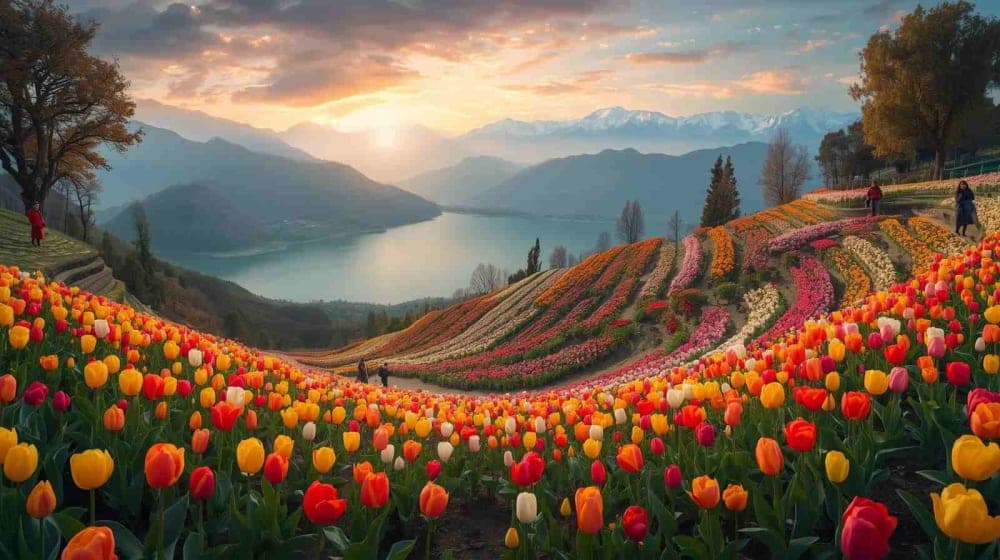
Tulip Festival 2026 in Kashmir
Tulip Festival 2026 Kashmir: Dates (Mar 26–Apr 30), timings, entry fee, how to reach, best hotels & travel tips. Your complete guide!

Published on
February 25, 2026
Sober Tourism 2026: How Gen Z and Millennials Are Rewriting the Rules of Travel
Discover how Gen Z and Millennials are driving the Sober Tourism trend — choosing alcohol-free retreats in Rishikesh, Kerala & beyond.
Published on
February 24, 2026
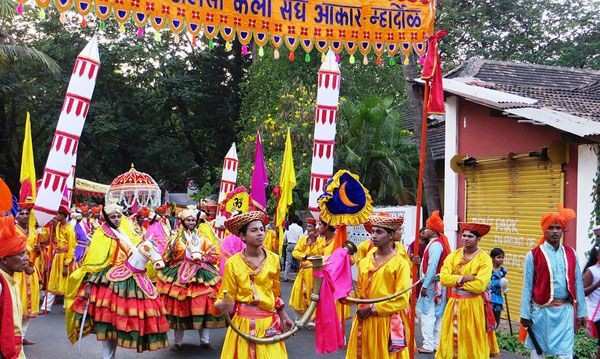
Shigmotsav 2026: Complete Travel Guide to Goa’s Grand Spring Festival
Shigmotsav 2026 in Goa from 5–18 March. Check dates, venues, parade schedule, traditions, tickets, travel tips and complete festival guide.
Published on
February 23, 2026
Real Kasol Travel Experiences: What People Say After Visiting Kasol
Read real Kasol travel experiences shared by people who've been there. Discover tips, hidden gems, costs, and everything you need for your Kasol trip.