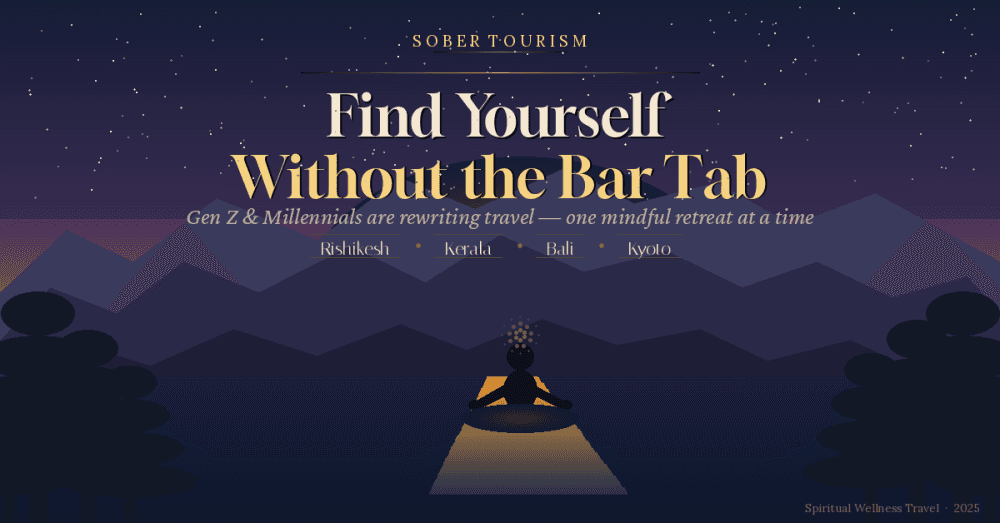
Sober Tourism 2026: How Gen Z and Millennials Are Rewriting the Rules of Travel
Wellness Travel | Spiritual Tourism | Travel Trends 2026 Welcome to Sober Tourism — the fastest-growing travel trend of 2026 that's reshaping how an entire generation explores the world. Sober Tourism is exactly what it sounds like: travel that deliberately removes alcohol from the equation and replaces it with something far more rewarding — mindfulness, healing, community, and self-discovery. It's not about being preachy. It's not a "dry January" extension. It's a full-blown lifestyle shift that's sending millions of young travelers to yoga ashrams in Rishikesh, Ayurvedic retreat centers in Kerala, and wellness sanctuaries from Bali to the Swiss Alps — all without a single cocktail in hand. According to the Global Wellness Institute, the wellness tourism market is projected to reach $1.4 trillion by 2027. A significant slice of that growth? Young, sober-curious travelers choosing retreats over resorts and meditation over mini-bars. This isn't just a health fad. It's a cultural reset. Author Ruby Warrington coined the term "sober curious" back in 2018, and since then it has evolved from a niche concept to a mainstream movement. Gen Z in particular is drinking significantly less than any previous generation. A 2023 Gallup survey found that Americans aged 18–34 are the first generation to drink less than older adults in recorded history. For these travelers, a vacation built around alcohol simply doesn't align with who they are anymore. Gen Z and Millennials have lived through a pandemic, a mental health crisis, and a constant barrage of digital noise. They're not looking for an escape that comes with a headache the next morning — they're looking for genuine restoration. Sober tourism offers exactly that: real rest, real healing, and a real return on investment for the mind and body. Golden-hour yoga at a Himalayan ashram. Ayurvedic massages filmed in slow motion. Silent meditation at dawn beside the Ganges. These aren't just travel experiences — they are highly shareable, deeply aspirational content that performs exceptionally well on Instagram, YouTube, and TikTok. The aesthetics of sober travel are aspirational in a way that blurry bar photos simply aren't anymore. Today's young travelers are less interested in where they go and more interested in what they come back with. They want transformation, skills, stories, and a sense of spiritual or personal growth. A week at an Ayurveda center or a Vipassana meditation retreat offers all of that — a boozy beach vacation often offers none. What makes Sober Tourism unique is how it blends two ancient traditions — pilgrimage and healing — into one modern travel experience. This isn't just wellness tourism. It's a spiritual-wellness fusion where travelers seek places that carry both geographic sacredness and therapeutic power. Think: the banks of the Ganges and a Panchakarma cleanse. A forest ashram and sound healing therapy. A Buddhist monastery and breathwork sessions. Here's why this combination is so powerful: Pilgrimage gives travel meaning and intentionality. It answers the question: Why am I here? Ayurveda and wellness practices give the body something to do while the mind and soul process. They answer: What am I healing? Together, they create a travel experience that is emotionally, physically, and spiritually complete — something no all-inclusive resort with a swim-up bar can replicate. India has quietly (and not so quietly) become the global capital of sober tourism. Here's why these two destinations in particular are leading the charge: Nestled in the foothills of the Himalayas along the sacred Ganges River, Rishikesh has long been a magnet for spiritual seekers. But in the post-pandemic era, it has transformed into a full-spectrum sober tourism hub. What draws sober travelers to Rishikesh: Yoga Teacher Training Programs (YTTPs): Hundreds of accredited schools offer 200-hour and 500-hour yoga certifications that attract global participants who commit to a 100% alcohol-free environment for weeks at a time. Ashram Stays: Places like Parmarth Niketan and Sivananda Ashram offer structured daily schedules built entirely around meditation, seva (service), and spiritual learning. Ganga Aarti: The nightly fire ritual on the banks of the Ganges is a profoundly moving, entirely alcohol-free collective ceremony that travelers describe as life-changing. Adventure + Mindfulness: White-water rafting, bungee jumping, and jungle treks are combined with sound healing and pranayama — creating a high-energy, substance-free thrill. Ayurvedic clinics and panchakarma centers are readily available for those who want a deeper detox experience alongside their spiritual journey. Who it's perfect for: Young solo travelers, digital nomads on a "reset trip," yogis, and anyone navigating burnout, heartbreak, or life transitions. If Rishikesh is the soul of sober tourism, Kerala is its body. This lush, coastal south Indian state is the birthplace of Ayurveda, and its approach to wellness travel is deeply rooted in thousands of years of traditional healing science. What makes Kerala a sober tourism powerhouse: Ayurvedic Resorts and Treatment Centers: From luxury properties like Kairali Ayurvedic Health Village and Somatheeram to more budget-friendly retreats, Kerala offers authentic Panchakarma treatments — a full-body detoxification process that requires guests to be completely alcohol-free. Backwater Houseboat Retreats: Drifting through the tranquil Kerala backwaters on a traditional Kettuvallam houseboat, eating freshly prepared Sattvic food and practicing morning yoga, is one of the most peaceful sober travel experiences in the world. Kalari Payattu: The ancient Indian martial art adds a physical discipline component to the wellness journey. Forest and Tea Estate Retreats in Munnar: High-altitude, misty, and profoundly calming — the tea estates of Munnar offer meditation retreats and nature immersions that feel like stepping outside of time. Who it's perfect for: Travelers seeking deep physical healing, couples on transformational journeys, and anyone curious about traditional medicine. While India dominates the conversation, sober tourism is a genuinely global phenomenon. Here's where else it's thriving: Bali, Indonesia: Ubud's yoga and healing retreat ecosystem rivals Rishikesh in size and spiritual depth, with hundreds of alcohol-optional wellness centers. Portugal: Rapidly emerging as Europe's sober travel hub, with alcohol-free wine bars, wellness surf retreats, and Vipassana meditation centers near Sintra and the Algarve. Iceland: The country's natural landscapes — geothermal hot springs, the Northern Lights, volcanic terrain — create a context for mindfulness that needs no chemical enhancement. Japan: "Forest Bathing" (Shinrin-yoku) trips and Zen Buddhist temple stays in Kyoto offer deeply spiritual, alcohol-free itineraries. Costa Rica: Jungle retreat centers in the Nicoya Peninsula (a Blue Zone) combine plant medicine ceremonies, yoga, and eco-spirituality. Curious what a sober tourism trip actually looks like day-to-day? Here's a sample 7-day Rishikesh itinerary: Not a single drink needed — and most participants report feeling more euphoric and alive than on any vacation they've taken before. Travel companies and hospitality brands are taking serious notice. Here are some significant market signals: • Alcohol-free travel agencies like Sober Vacations International and The Sober Traveler have seen booking increases of over 30% year-over-year since 2022. • Major hotel chains including Marriott, Six Senses, and Anantara have launched dedicated wellness packages that are explicitly alcohol-minimalist or alcohol-free. • Airlines including Air India and IndiGo are now promoting "wellness destination" routes to Rishikesh, Kochi, and Dharamshala as distinct travel categories. • The "mindful hospitality" segment is estimated to be growing at 12% annually according to Skift Research. For travel entrepreneurs and hospitality marketers, sober tourism is not a niche anymore. It is the next mainstream. You don't have to be in recovery from addiction to enjoy sober travel. Here's how to know if it might be your next great adventure: 1. You've been feeling burnt out and no amount of "regular vacation" seems to fix it. 2. You're sober-curious — you've been cutting back on alcohol and wondering what life feels like completely without it. 3. You're going through a transition — a breakup, a career change, a loss — and you're looking for a meaningful way to process it. 4. You want to come home healthier than when you left — not just relaxed, but genuinely transformed. 5. You're spiritual but not religious and you're drawn to traditions like yoga, Ayurveda, or meditation but haven't found a practical way to engage with them deeply. Ready to take the plunge? Here's how to get started: • Choose your intention first. Are you going for physical healing, spiritual growth, emotional processing, or a digital detox? Your intention will determine your destination. • Vet your retreat carefully. Look for centers that are transparent about their philosophy, have certified practitioners, and have genuine reviews from past guests. • Go alcohol-free before you go. Most Ayurvedic practitioners recommend being alcohol-free for at least 2 weeks before arrival for treatments to be fully effective. • Pack mindfully. Comfortable clothing for yoga, a good journal, noise-canceling headphones, and an open mind are your most important items. • Budget realistically. A basic ashram stay in Rishikesh can cost as little as ₹500–₹2,000 per night including meals. Luxury Ayurvedic resorts in Kerala can run ₹15,000–₹50,000+ per night. There is an option for every budget. • Tell your network. One of the most powerful aspects of sober travel communities is shared accountability and connection. At its core, sober tourism isn't anti-alcohol — it's pro-consciousness. It's about choosing presence over numbness, depth over distraction, and memory over blur. It's about trusting that the world is interesting enough, beautiful enough, and meaningful enough to experience fully awake. For Gen Z and Millennials — generations who grew up with anxiety, comparison culture, and digital overload — sober travel represents something genuinely radical: the freedom to feel everything. And increasingly, they're finding that the most intoxicating experiences available aren't in a glass. They're in a sunrise over the Himalayas, a cold plunge in a Kerala river, a moment of complete stillness in a meditation hall, or the electric feeling of your body moving through yoga as the sun comes up over the Ganges. Final Thoughts: The Sober Revolution Is Just Getting Started The rise of sober tourism is not a trend that will fade with the next news cycle. It is a generational value shift — one that reflects a deeper reckoning with what travel is actually for. For Gen Z and Millennials, travel is not an escape from life. It is an investment in it. And increasingly, the best investments they're making are the ones that leave them clearer, calmer, more connected — to themselves, to others, and to the ancient wisdom of places like Rishikesh and Kerala. So the next time someone asks where you're going on vacation, maybe the answer isn't a party destination. Maybe it's a place that changes you. What Is Sober Tourism? (And Why Everyone Is Talking About It)
Why Gen Z and Millennials Are Leading This Movement
1. The "Sober Curious" Wave Has Gone Mainstream
2. Mental Health Is the New Wealth
3. Social Media Is Amplifying Sober Travel Aesthetics
4. The "Experience Economy" Demands Depth
The Spiritual-Wellness Mix: Where Pilgrimage Meets Healing
Top Destinations Driving the Sober Tourism Boom in India
Rishikesh: The Yoga Capital of the World
Kerala: God's Own Country of Healing
Beyond India: The Global Sober Tourism Landscape
What a Typical Sober Travel Itinerary Looks Like
The Business of Sober Tourism: A Booming Industry
Is Sober Tourism Right for You? 5 Signs the Answer Is Yes
How to Plan Your First Sober Tourism Trip: Practical Tips
The Deeper "Why": What Sober Tourism Is Really About
FAQs
Do I have to be in recovery to go on a sober retreat?
Is sober tourism the same as a dry vacation?
Are there budget sober travel options?
How is Ayurveda connected to sober tourism?
What's the difference between wellness tourism and sober tourism?
Your first trek isn’t about proving anything. It’s about experiencing something real. When you go with a Zentrail batch, you’re not just walking trails — you’re joining a tribe.
Still unsure?
DM us on Instagram or drop your questions in the comments below. Our past trekkers love helping first-timers.
Suggested Blogs

Published on
February 26, 2026
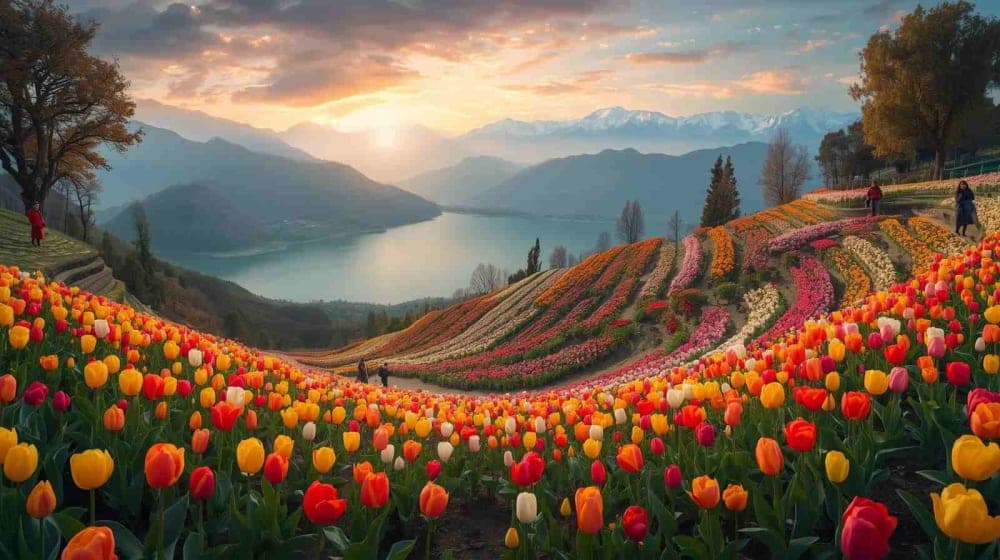
Tulip Festival 2026 in Kashmir
Tulip Festival 2026 Kashmir: Dates (Mar 26–Apr 30), timings, entry fee, how to reach, best hotels & travel tips. Your complete guide!
Published on
February 25, 2026
Sober Tourism 2026: How Gen Z and Millennials Are Rewriting the Rules of Travel
Discover how Gen Z and Millennials are driving the Sober Tourism trend — choosing alcohol-free retreats in Rishikesh, Kerala & beyond.
Published on
February 24, 2026
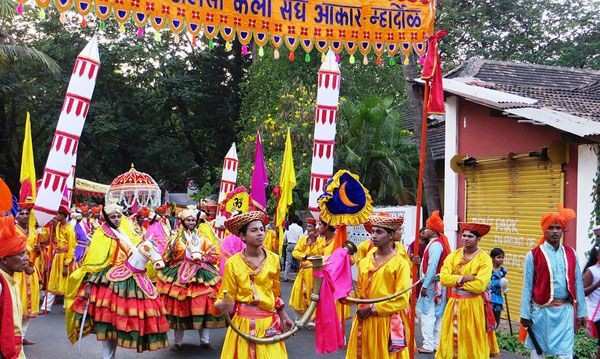
Shigmotsav 2026: Complete Travel Guide to Goa’s Grand Spring Festival
Shigmotsav 2026 in Goa from 5–18 March. Check dates, venues, parade schedule, traditions, tickets, travel tips and complete festival guide.
Published on
February 23, 2026
Real Kasol Travel Experiences: What People Say After Visiting Kasol
Read real Kasol travel experiences shared by people who've been there. Discover tips, hidden gems, costs, and everything you need for your Kasol trip.