
Magh Mela 2026 Prayagraj: Complete Guide about Dates, Snan, & Travel Information
The sacred Magh Mela 2026 is all set to bring millions of devotees to Prayagraj’s Triveni Sangam from 3 January to 15 February 2026—spanning 44 days of devotion, spiritual rituals, and holy bathing on key dates. Authorities here have finalized detailed security, crowd management, and cleanliness plans to ensure a meaningful and well‑organized pilgrimage experience. Uttar Pradesh Chief Minister Yogi Adityanath has issued directives to ensure there will be no VIP protocol on main bathing days, emphasizing equality among all devotees. The mela grounds will cover approximately 800 hectares, divided into multiple sectors with clear routes for entry and exit. The Prayagraj Police and administration conducted mock drills and developed 10 contingency response plans for emergencies like fire, stampede, or water incidents—demonstrating high readiness ahead of the event. In addition, cleanliness and pollution control measures are underway, with sanitation teams and monitoring systems deployed to maintain river and ground cleanliness through all major bathing dates. Local economic impact is also significant: rural artisans, self‑help groups, and boatmen families are preparing livelihood opportunities as the mela creates demand for traditional goods and services. Magh Mela is a major Hindu religious festival and fair held annually during the lunar Magh month (January–February) at the Triveni Sangam—the confluence of the Ganga, Yamuna, and the mythical Saraswati rivers—in Prayagraj, Uttar Pradesh. Here, pilgrims perform ritual bathing (snan) in the holy waters and participate in spiritual practices believed to cleanse sins and confer spiritual merit. Although Magh Mela is not as massive as the once‑in‑12‑years Kumbh Mela, it is considered sacrosanct and draws millions of devotees every year who believe in the sanctifying power of the Sangam. Its 2026 edition is especially significant as it comes soon after Maha Kumbh 2025—intensifying spiritual participation and devotional energy. Magh Mela’s origins are deeply rooted in Hindu scriptures and traditions. Ancient texts like the Puranas stress the importance of spiritual cleansing through ritual bathing in sacred rivers during auspicious months. The month of Magh itself is associated with purity, self–reflection, introspection, and charity. For centuries, ascetics, saints, and household pilgrims have gathered here to perform snan, pray, chant, and sit in spiritual discourses. Over time, this tradition evolved into an annual congregation where millions come together to celebrate faith, community, and divine devotion. The festival stands as a testament to India’s ancient continuity of spiritual culture and remains one of the most enduring pilgrimages in the religious calendar. Magh Mela holds profound spiritual and cultural importance. Major benefits and reasons devotees participate include: Devotees believe that taking a snan at the Sangam on specified auspicious days washes away sins, brings spiritual purification, and liberates the soul from the cycle of birth and death. Many participants observe kalpvas, a lifestyle of simple living, meditation, early rising, controlled diet, and devotional practices for the duration of the fair, fostering discipline and inner peace. The mela includes yajnas, devotional chanting, Ganga aarti, and discussions led by saints and gurus—cultivating a rich environment of spiritual learning and communal rituals. Magh Mela brings together devotees from all walks of life—spanning regions, ages, and backgrounds—symbolizing unity and collective faith in India’s spiritual heritage. Magh Mela is not just religious; it’s a cultural, social, and devotional mega‑event: Holy bathing on auspicious dates at the Triveni Sangam. Kalpvas camps housing thousands of devotees. Spiritual discourses, rituals, and devotional music. Traditional cultural events and evening Ganga aarti ceremonies. Improved infrastructure: sanitation, healthcare, lighting, and crowd management. Livelihood opportunities for local artisans and families. Magh Mela 2026 will take place from 3 January to 15 February 2026, spanning 44 days of spiritual observance and rituals. This period covers the entire portion of the lunar month of Magh, and includes key festival dates and holy bathing occasions that attract the largest pilgrim turnouts. This day coincides with Paush Purnima, a highly auspicious date marking the beginning of Magh Mela and kalpvas observance. The final day of the fair coincides with Maha Shivratri, when devotees perform the concluding snan and engage in prayers dedicated to Lord Shiva. The snan dates are the backbone of Magh Mela—each carrying its own religious meaning and significance. Here’s a detailed overview of each major holy bathing day: This is the first and most awaited sacred snan that marks the official launching of Magh Mela and kalpvas month. Devotees gather before sunrise and take their first holy dip in the Sangam waters. Symbolizes cleansing of karmic sins. Commencement of spiritual disciplines and vows. Considered the most auspicious beginning for all devotees. This day signifies the Sun’s transition into Capricorn (Makar) and is celebrated with great fervor. The snan performed on this day is believed to multiply spiritual merit. Solar festival marking longer days and renewed energy. Astronomically auspicious; encouraged for deep spiritual cleansing. Considered the peak of holy bathing occasions during Magh Mela, Mauni Amavasya holds exceptional significance. Devotees observe maun (silence) and take their holy dip in a deeply reflective atmosphere. Silence reflects purity of thought. Highest footfall among bath days. Rituals include early morning dips, offerings, and meditation. Basant Panchami marks the beginning of spring and the worship of Goddess Saraswati. On this day, devotees bathe to invite purity and spiritual resurgence. Yellow attire symbolizes spring. Saraswati puja and devotional music concerts. This day is significant especially for kalpvasis who observe their one‑month spiritual practice concluding with this snan. Marks the end of disciplined observance. Devotees offer charity and service (daan) to priests and the needy. The final day of Magh Mela sees the ceremonial conclusion with a holy bath and prayers to Lord Shiva—symbolizing introspection, strength, and spiritual fulfillment. Fasting, night vigils, and prayers for inner peace. Concluding dignity to the festival. Venue: Triveni Sangam, Prayagraj — where the Ganga, Yamuna & Saraswati meet. City: Prayagraj, Uttar Pradesh State: Uttar Pradesh, India Triveni Sangam is historically revered as one of Hinduism’s holiest pilgrimage sites, drawing pilgrims from all over India and abroad. Both festivals are celebrated with deep reverence, but they differ in scale and frequency: Held once every 12 years at Prayagraj. The world’s largest religious gathering. Attracts devotees globally. Occurs annually. Focused on spiritual cleansing and devotional living. While smaller than Kumbh, it holds immense relevance for yearly pilgrims seeking spiritual merit. Magh Mela is seen as an integral chapter of India’s spiritual life—less massive than Kumbh but equally devotional in essence. Magh Mela occurs every year during the Magh lunar month, unlike Kumbh which follows a 12‑year astronomical cycle. Thus, Magh Mela is not periodic in long years but is an annual spiritual event. Prayagraj Airport (IXD): Offers connectivity to major Indian cities. Key rail stations include Prayagraj Junction, Prayag, and Rambagh. North Central Railway has special arrangements and notices regarding parking closures to manage crowd flow. State and national highways connect Prayagraj to major cities like Delhi, Lucknow, Varanasi, and Patna. Dedicated buses and private vehicles facilitate pilgrim movement. In preparation for the event, administrative and civic bodies have undertaken extensive groundwork: Expansion of pontoon bridges to facilitate smooth crossing of river sectors. Tent city zones and camping sectors marked for pilgrims. Roads and pathways stabilized for safe movement. Regular sanitation drives and monitoring to prevent garbage disposal near ghats. Pollution control enforcement on nearby industrial discharge points. Dedicated health centers and emergency services stationed throughout the Mela grounds. Mock drills and contingency planning in place to handle emergencies swiftly. Multi‑layered security with police, volunteers, and digital monitoring for crowd density. Traffic and entry routes are designated for smooth pilgrim arrival and departure. Sacred Sangam Snan on auspicious dates. Kalpvas Camps: minimalistic tents for spiritual retreat. Ganga Aarti: evocative evening rituals with lamps and chants. Saints & Akharas: Spiritual discourses and sacred traditions. Cultural Exhibitions and devotional music sessions. Devotional offerings, rituals, and practices during the Mela include: Kalpvas Observance: Devotees stay near the river for spiritual discipline. Yajna & Chanting Sessions: Daily fire rituals and collective recitations. Meditation & Prayer Retreats: Guided spiritual practices. Charity (Daan): Meals, cloths, blankets distributed to needy pilgrims. Pilgrims can choose from a variety of accommodation options: Government‑managed tent facilities near the ghats. Private dharamshalas and guest houses with basic lodging. Hotels in Prayagraj city (booked early during peak dates). Temporary pilgrim rest shelters and medical tents. Plan early around major snan dates to avoid overcrowding. Arrive before sunrise on holy days for best sacred experience. Carry valid ID & essentials such as water, warm clothing, and personal kits. Follow official routes & traffic advisories for entry and exit. Observe etiquette and maintain cleanliness near sacred ghats. Respect guidelines of Prayagraj police and district officers. Avoid restricted zones near bridges and heritage structures. Use designated sanitation points. Help maintain ecological balance by not polluting the river or ghats. The official portal with details on dates, permits, travel alerts, and pilgrim advisories is https://kumbh.gov.in. This site offers circulars, documents, and advisories well ahead of key dates. Magh Mela 2026 promises a deeply spiritual experience set against the sacred backdrop of Triveni Sangam. With 44 days of divine gatherings, ritual snan ceremonies, centuries‑old traditions, and robust administrative planning, it stands as one of India’s most significant cultural and devotional events. Whether seeking punya (spiritual merit), engaging in disciplined spiritual practice, or simply experiencing India’s living religious heritage, Magh Mela blends faith, culture, and community over its transformative journey from Paush Purnima to Maha Shivratri. Pilgrims and travelers alike are encouraged to plan their participation carefully—bearing in mind snan dates, travel logistics, and health and safety measures—to ensure a fulfilling and soul‑enriching visit to one of the oldest and most revered spiritual gatherings on Earth.Latest News & Official Updates on Magh Mela 2026
What is Magh Mela 2026?
Magh Mela – A Brief History
Significance of Magh Mela 2026
1. Ritual Purification Through Holy Bath (Snan)
2. Kalpvas – A Month of Spiritual Discipline
3. Cultural and Ritual Importance
4. Unity in Diversity
Magh Mela 2026 – Key Highlights
Magh Mela 2026 Prayagraj Date
Magh Mela 2026 Kab Lagega?
Magh Mela 2026 Prayagraj Starting Date
Start Date: 3 January 2026
Magh Mela 2026 Prayagraj End Date
End Date: 15 February 2026
Magh Mela 2026 Snan (Holy Bath) Dates & Detailed Explanation
1. Paush Purnima – 3 January 2026
Religious Importance:
2. Makar Sankranti – 14–15 January 2026
Significance:
3. Mauni Amavasya – 18 January 2026
Meaning:
4. Basant Panchami – 23 January 2026
Cultural Aspect:
5. Maghi Purnima – 1 February 2026
Tradition:
6. Maha Shivratri – 15 February 2026
Spiritual Impact:
Magh Mela 2026 Location
(Addressing “magh mela 2026 kaha hoga” and “magh mela 2026 mein kahan lagega”)Magh Mela and Kumbh Mela – Which is More Important?
Kumbh Mela
Magh Mela
Magh Mela 2026 After How Many Years?
How to Reach Magh Mela 2026
By Air
By Train
By Road
Magh Mela 2026 Preparations (Magh Mela 2026 Ki Taiyari)
Infrastructure
Cleanliness & Pollution Control
Healthcare & Safety
Security & Crowd Management
Major Attractions During Magh Mela 2026
Spiritual Activities at Magh Mela 2026
Accommodation Facilities in Magh Mela 2026
Tips to Visit Magh Mela 2026
Local Guidelines for Magh Mela 2026
Magh Mela 2026 Official Website
Conclusion
FAQs
Is Magh Mela held every year?
Who can participate in Magh Mela?
Do foreigners or international tourists attend Magh Mela?
Are there any fees to enter or participate in Magh Mela?
Is Magh Mela safe for children and elderly people?
Can pilgrims perform Kalpvas every year during Magh Mela?
Are there any special rituals besides bathing at Magh Mela?
Your first trek isn’t about proving anything. It’s about experiencing something real. When you go with a Zentrail batch, you’re not just walking trails — you’re joining a tribe.
Still unsure?
DM us on Instagram or drop your questions in the comments below. Our past trekkers love helping first-timers.
Suggested Blogs

Published on
February 26, 2026
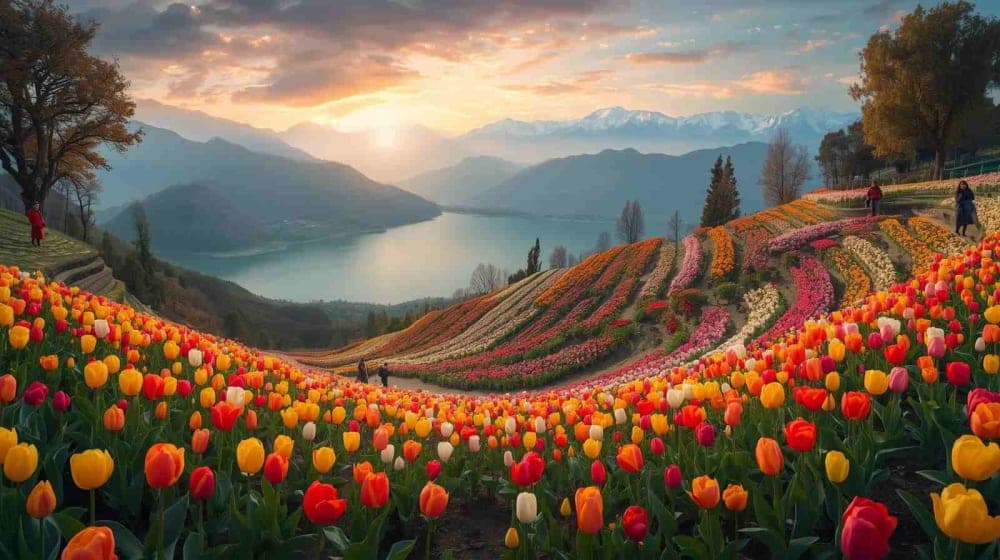
Tulip Festival 2026 in Kashmir
Tulip Festival 2026 Kashmir: Dates (Mar 26–Apr 30), timings, entry fee, how to reach, best hotels & travel tips. Your complete guide!
Published on
February 25, 2026
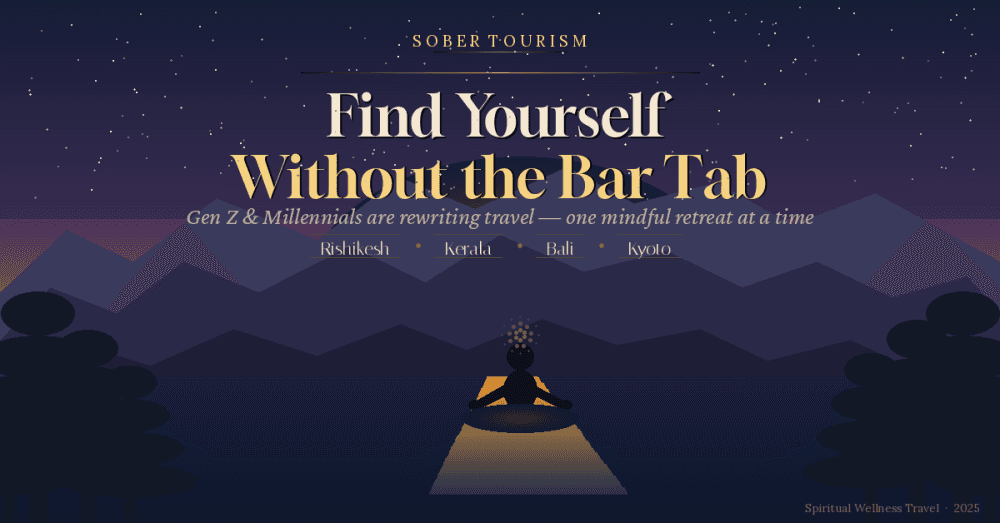
Sober Tourism 2026: How Gen Z and Millennials Are Rewriting the Rules of Travel
Discover how Gen Z and Millennials are driving the Sober Tourism trend — choosing alcohol-free retreats in Rishikesh, Kerala & beyond.
Published on
February 24, 2026
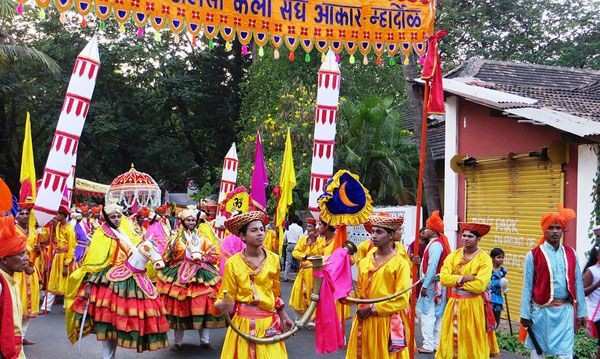
Shigmotsav 2026: Complete Travel Guide to Goa’s Grand Spring Festival
Shigmotsav 2026 in Goa from 5–18 March. Check dates, venues, parade schedule, traditions, tickets, travel tips and complete festival guide.
Published on
February 23, 2026
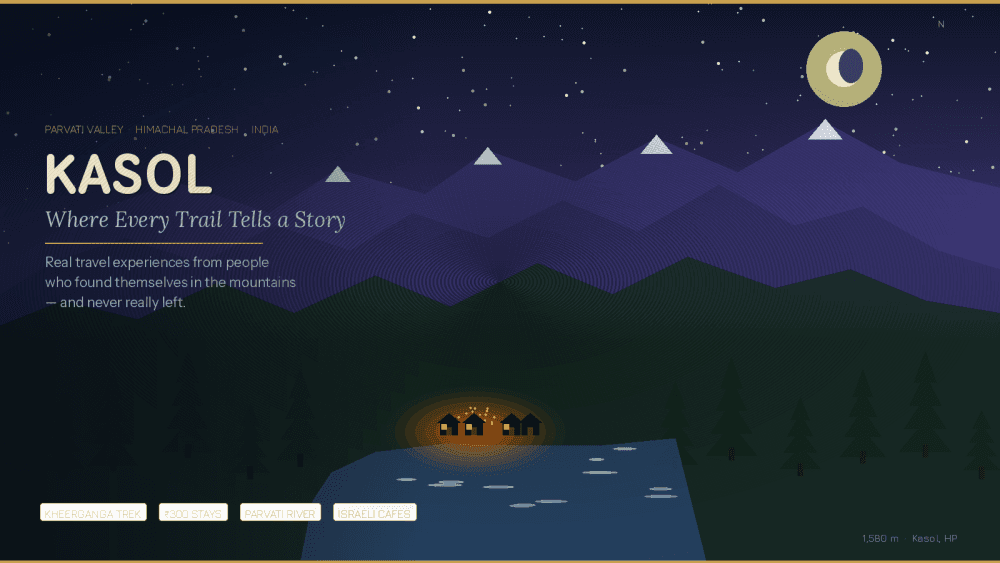
Real Kasol Travel Experiences: What People Say After Visiting Kasol
Read real Kasol travel experiences shared by people who've been there. Discover tips, hidden gems, costs, and everything you need for your Kasol trip.