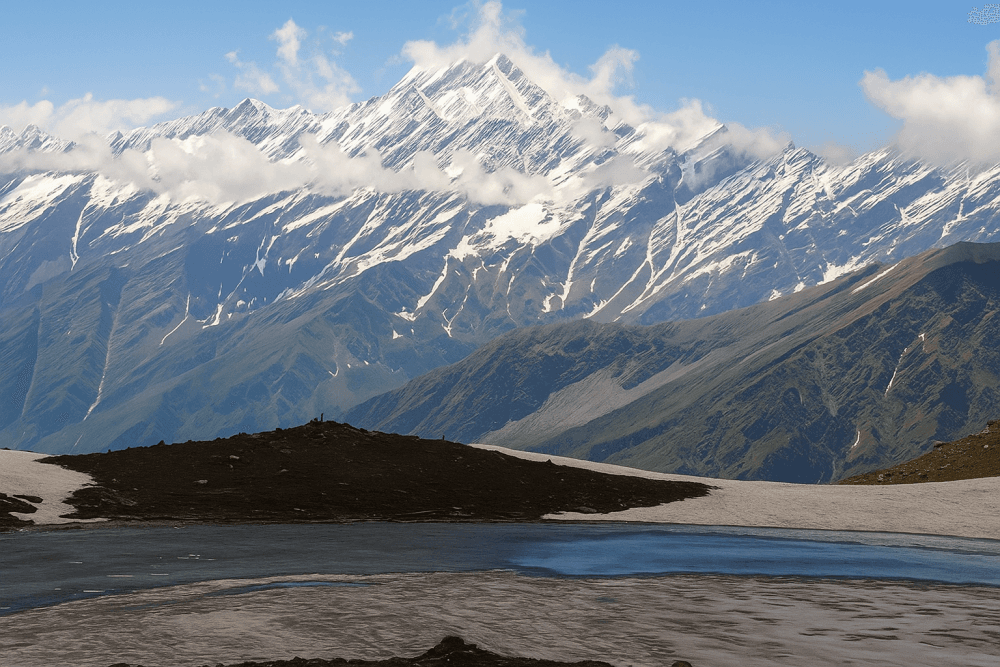
A Complete Guide to the Pin Parvati Trek: the Giant Himalayan Crossing
Master the route, distance, cost, difficulty and solo-prospects of the famed Pin Parvati trek
Introduction: The Trek of Contrasts
Tucked away in the heart of Himachal Pradesh lies one of India’s most dramatic and demanding high-altitude treks: the Pin Parvati trek. This epic traverse carries you from the lush, green forests and roaring rivers of the Parvati Valley in Kullu, into the cold, arid high-desert of Spiti’s Pin Valley. Beginning among deodars and rhododendrons, you ascend higher and higher into alpine meadows, glacier moraines and finally summit the pass at over 5,000 metres — then descend into the wind-swept, minimal-vegetation terrain of Spiti. What makes the Pin Parvati trek so special is this contrast of environment, culture and terrain all in one journey. You’re not just walking through nature — you’re crossing worlds.
If you’ve ever dreamt of walking across the mighty Himalayas through landscapes that shift from lush green valleys to icy white glaciers, the Pin Parvati Trek is your perfect adventure. In this complete guide, you’ll discover everything you need — why this trek is special, the best time to visit, total Pin Parvati trek distance, how many days it takes, the detailed Pin Parvati trek route, its starting point, height and altitude, cost, and whether you should attempt it solo. You’ll also learn about the trek’s difficulty level, an essential checklist, what to expect during winter trekking, and of course, the breathtaking scenery that makes it one of India’s most unforgettable Himalayan trails.
Why Choose the Pin Parvati Trek?

The Pin Parvati trek stands out among Himalayan treks for several reasons:
Dramatic landscape transition: The trail begins in the green Parvati Valley, full of forests, waterfalls and alpine meadows, and ends in the stark high-altitude Pin Valley desert of Spiti. That contrast is rare in such a single trek.
- Remote, adventurous experience: It isn’t a gentle tourist-walk. You’ll cross glaciers, moraines, high passes and rugged terrain. The sense of isolation, of wilderness, is strong.
- Cultural & ecological shift: You traverse from Kullu’s forested valleys into Spiti’s Tibetan-influenced high desert region. This adds a dimension beyond just the physical trek.
- Rewarding challenge: With a maximum altitude of about ~5,300 m (17,500 ft) and a trekking distance over ~100 km, the Pin Parvati trek is a serious undertaking. Completing it yields a genuine sense of achievement.
Comparison with the Pin Bhaba Pass Trek
If you’re weighing options between the Pin Parvati trek and the nearby Pin Bhaba Pass trek, here’s how they compare:
- Altitude: Pin Parvati’s pass is around ~5,300 m; many Pin Bhaba itineraries reach lower altitudes (~4,800 m) so the altitude challenge is higher for Pin Parvati.
- Distance & Terrain: The terrain for Pin Parvati is longer, steeper, and more varied (forest → glacier → high desert) than many Pin Bhaba routes.
- Difficulty: For most operators, Pin Parvati is classified as more difficult. If you want the tougher, more rewarding trek, Pin Parvati is the choice.
Therefore, if you’re looking for a premium Himalayan crossing rather than a moderate high-altitude walk, the Pin Parvati trek is the superior option.
Pin Parvati Pass Trek Best Time to Visit
Choosing the right season for the pin parvati trek best time is crucial for safety, comfort and views.
Best window
The ideal period is July through mid-September. During this time:
- The snow at higher altitudes has mostly melted, making the pass more accessible.
- The lower valley (Parvati side) is lush, green and scenic, while the Spiti side is dry and clear.
- Day temperatures are moderate and nights manageable (though still cold at altitude).
For example, near mid altitude you might expect daytime temps ~10-18 °C, and nights ~1-7 °C. At the pass (~5,300 m) temperatures at night may drop to 0 °C or below even in summer.
What about other seasons?
- Pre-July (June and earlier): Snow cover is heavier, glacier/moraine crossings more difficult; risk of weather delays higher.
- Late September/October: Glacier may begin icing, early snowfall may set in; clear skies but riskier conditions.
- Winter trekking (December through March/April): Extremely challenging, for expert mountaineers only — see section below for winter details.
In short: for most trekkers the best time is July → mid-September. Outside that window you accept substantially greater risk or difficulty.
Pin Parvati Trek Distance

When you ask about “pin parvati trek distance,” you’re looking at a trek of roughly 100–110 km of trekking (not counting the drive to trailhead or from exit point).
For example: one key fact lists the “trekking distance: 110-kilometers” for Pin Parvati.
The length takes so long because:
- The terrain is remote and high-altitude: you can’t rush through glacial zones, moraine, scree, creek crossings or steep ascents.
- Elevation gain is significant: you ascend from ~2,500-3,000 m to beyond ~5,300 m and then descend into ~3,800 m on Spiti side. Such altitude changes slow progress.
- The route is long in terms of days: rather than short day-hikes, you are walking long hours each day (6-12 hours) and covering variable terrain (forest, meadow, glacier, desert).
When you read about “pin parvati trek distance: 110 km”, use that as a ball-park and emphasise that the length, combined with high altitude and terrain, makes this a full expedition rather than a simple hike.
Pin Parvati Trek Days

When you plan the pin parvati trek days, you should allocate about 10-12 days (sometimes more) for the full trek from trail-head to exit point, including acclimatisation and buffer days.
Typical count
Many operators list itineraries of 10 to 11 days of trekking (plus arrival/departure days).
Some schedule 12 days to allow for acclimatisation, slow pace and weather contingency.
Why do you need this many days?
- Acclimatisation: You’ll be moving from lower altitude to high (~5,300 m). To reduce risk of altitude sickness you need gentle gains and rest days.
- Long trekking days: Some days require 8-12 hours of walking (e.g., pass day).
- Terrain variability: Glacier crossings, moraine, scree, remote zones slow you down.
- Buffer time: Weather, trail issues, fatigue may require an extra day or two.
Therefore, for anyone reading this blog and planning the pin parvati trek route, budget a minimum of 10-12 days. Trying fewer days risks burnout or altitude issues.
Pin Parvati Trek Route

Here is a detailed, day-wise breakdown of the pin parvati trek route, including key locations, altitudes, scenery and why each day matters.
Day 1: Trail-head / Reach Barshaini → Kheerganga
Start from the trail-head village (often Barshaini, ~2,500-3,000 m) and trek through dense forests along the Parvati River to reach Kheerganga (~2,800-3,000 m). The trail features waterfalls, lush pine/deodar forest, rhododendron slopes and often hot springs at Kheerganga — a perfect warm-up.
Day 2: Kheerganga → Tunda Bhuj (~3,300-3,500 m)
The terrain becomes steeper. Leave the thick forest behind and climb through meadows and ridges. Tunda Bhuj is a wide meadow and campsite at higher altitude with expansive views of the valley opening. At this stage you begin feeling altitude and the terrain loosens.
Day 3: Tunda Bhuj → Thakur Kuan (~3,500-3,600 m)
Here the trail begins crossing wooden/slatted bridges, navigating moraines and mixed terrain. The forest thins; wildflowers give way to alpine meadows. Views widen; you see ridges, glacial streams and the Parvati River carving the valley.
Day 4: Thakur Kuan → Odi Thach (~4,000-4,200 m)
Scenery shifts: open high meadows, marshlands, the Pandu Pul natural bridge, the river below and the rising peaks ahead. The terrain becomes rugged; tree-line ends and you start getting glimpses of where the glacier/moraine terrain begins.
Day 5: Odi Thach → Mantalai Lake (~4,300-4,500 m)
This is a critical high-camp. You climb to reach Mantalai Lake (sacred, high altitude). The scenery: barren rock slopes, alpine pastures, high winds, and the trail becomes tougher. This is the acclimatisation point before the big pass day.
Day 6: Acclimatisation / Rest at Mantalai Lake
Rest, short hikes around lake, let your body adjust. Spectacular views of surrounding peaks, glacier ridges. Nights are very cold.
Day 7: Mantalai Lake → Base Camp (~4,800-5,000 m)
You now enter glacier/moraine zone. Leave pastures for rock, snow, moraine. The trail is steep, often precarious. You approach base-camp for the pass. The scenery: ice fields, crevasses, looming peaks.
Day 8: Base Camp → Pin Parvati Pass (~5,300 m) → Descent to Pin side camp (~4,800-5,000 m)
This is peak day. Early morning start. Ascent through snow/ice to the pass; panoramic bird’s-eye view from the top: both Parvati Valley and Pin Valley spread out below. Then descent into Spiti side: high-altitude desert, stark terrain, wind, silence. The scenery is just extraordinary.
Day 9: Pin Side Camp → Mudh Village (~3,800-4,000 m)
Descent continues into the Spiti valley landscape — bleak, arid, wide open, dotted occasional barley fields, villages. The contrast with the lush start of the trek is now stark.
Day 10: Mudh → Exit point / Drive to Kaza or back to Manali
Final stage; easy walking or drive onward. Celebrate the trek finish.
Buffer Days
Optional extra day(s) for weather, rest, or delayed pass crossing.
Temperatures & general conditions
- Lower camps (2,500-3,000 m): day ~10-18 °C, night ~1-7 °C.
- Mid-altitude (3,500-4,500 m): day ~5-12 °C, night ~-2 to +3 °C.
- High camps around pass (5,000+ m): night temperatures can drop to -5 °C or colder, winds strong, snow possible.
Scenery Highlights
- Densely forested Parvati Valley with waterfalls near Kheerganga.
- Alpine meadows ablaze with wildflowers (Tunda Bhuj, Odi Thach) in summer.
- Glacial/moraine fields near base camp and pass.
- At the pass: sweeping panoramic views of peaks, valleys, ridges, desert and green valley meeting.
- Descent into Pin Valley: barren landscape, wind-carved rocks, high-altitude desert, barley fields, small shepherd settlements.
This route makes the Pin Parvati trek truly a journey of contrasts: green to grey, forest to desert, gentle to extreme.
Pin Parvati Trek Starting Point

The Pin Parvati trek typically begins at Barshaini (or similar trail‐head) in the Parvati Valley, Kullu district, Himachal Pradesh. Barshaini lies at around ~2,500–3,000 metres altitude. From there the trekking begins: forest tracks, waterfalls, apple orchards, river crossings. Day temperatures are manageable, nights cooler. This lighter start allows you to settle into rhythm, gear up, and begin acclimatising gently before the tougher high altitude terrain ahead. The starting point sets the tone: scenic, accessible, yet you quickly feel you are entering serious mountain country.
Pin Parvati Trek Difficulty
The pin parvati trek difficulty is high. It is classified as a “difficult” or “challenging” high‐altitude trek and is not recommended for beginners without prior multi‐day/altitude experience. Reasons:
- Maximum altitude ~5,300 m → you are exposed to altitude risk (AMS).
- Terrain includes glaciers, moraines, scree, long steep ascents and descents.
- Long walking days (6-12 hours) with heavy pack or day-pack depending on logistics.
- Remoteness: exit routes are limited, help/evacuation harder.
- Weather and terrain unpredictability: snow even in summer, stream/river crossings, glacier crevasses.
Who should attempt it?
Trekkers who are physically fit, have prior high-altitude trekking experience (3,000-4,000 m+), comfortable with multi-day camping, remote terrain and a good sense of mountaineering safety.
Who maybe should wait?
If you are new to trekking, have limited high altitude exposure, or only have short time/few acclimatisation days — you might be better off doing a lower‐altitude trek first and building up.
Pin Parvati Trek Altitude

Here are key altitude points for the Pin Parvati trek:
- Starting trail‐head (Barshaini area): ~2,500-3,000 m
- Camp at Tunda Bhuj / Thakur Kuan: ~3,300-3,600 m
- Odi Thach: ~4,000-4,200 m
- Mantalai Lake Base: ~4,300-4,500 m
- High Base Camp near glacier: ~4,800-5,000 m
- Pass altitude (Pin Parvati Pass): ~5,300 m (17,500 ft)
- Descent village Mudh (Spiti side): ~3,800-4,000 m
These large altitude changes underline why acclimatisation, pace, and safety are essential.
Pin Parvati Trek Height

The height of the trek is often expressed by the pass elevation: approximately 5,319 metres (≈17,450 feet). At this elevation you are truly in the high Himalayan zone: thin air, cold nights, strong winds, next to glacial terrain. This “height” makes the trek not just long but substantially harder than moderate high-altitude treks. You will feel the altitude in your breathing, in your pace, in your sleep. Understanding this height is key to preparing physically and mentally.
Pin Parvati Trek Cost

When you plan the pin parvati trek cost, you must factor in many components: transport to and from the trail, accommodation (before/after, and during), camping gear, guide & support staff, meals, permits, high-altitude logistics, buffer days.
Typical cost range
- According to operator listings, for an 11–12 day trek, costs are in the range of ₹45,000 to ₹60,000+ per person (in India) for standard inclusions.
- Premium packages, smaller group sizes or more days may push cost higher.
What you likely pay for:
- Transport (Manali / Bhuntar to trail-head, exit point to nearest town).
- Camping/guest-house accommodation during trek.
- Meals (usually breakfasts, lunches, dinners during trekking days).
- Equipment: tents, sleeping bags (sometimes personal), gaiters, micro-spikes etc.
- Support team: guide(s), cook, porters or mules.
- Permits & high-altitude logistics.
- Emergency contingency & buffer days.
Additional personal costs
- Travel to join point (e.g., flight/train/bus to Manali or Bhuntar).
- Personal gear (boots, clothing, sleeping bag if personal).
- Insurance (high-altitude cover).
- Extra days/stays either side of trek.
In summary
Budget for around ₹50,000 as a comfortable middle figure for a standard 10-12 day Pin Parvati trek in India. If you go premium, smaller group or longer, expect more. If you try to cut corners, be aware that remote logistics and altitude make cost-saving harder than on easier treks.
Pin Parvati Trek Solo

The idea of a pin parvati trek solo is tempting — a solitary journey through the high Himalayas. However, for this particular route it is not generally recommended unless you are highly experienced and well-prepared.
Why solo is risky?
- Navigation and logistics: The trail includes glacier/moraine zones, remote stretches with limited exit routes. Without a guide or group the risk increases.
- Emergency support: At altitude, if you face AMS, injury or bad weather, it is much harder to extract or receive help if alone.
- Equipment & infrastructure: You may need to carry more, set up camp yourself, organise supplies.
Who might attempt solo?
Experienced high-altitude trekkers with prior multi-day glacier‐crossing experience, strong navigation skills, excellent physical fitness, and contingency plans.
For most trekkers
Joining a reputable trekking operator with experienced guides, proper support, and group logistics is the safer and smarter choice for the Pin Parvati trek. If you are planning for “pin parvati trek solo”, you should only proceed with extreme caution, strong self-reliance and full backup.
Scenery & Views You Can See on the Trek
"From Forests to Glaciers to High Desert: A Visual Symphony"
On the Pin Parvati trek you’ll witness:
- Lush Himalayan forests in Parvati Valley: tall deodars, dense pine, waterfalls, apple orchards in the lower slopes.
- Alpine meadows ablaze with wildflowers in summer (Tunda Bhuj, Odi Thach) — a contrast of greenery under high sky.
- Glacier and moraine zones near the pass: rock-field ridges, icy slopes, crevasses, stark grey and white terrain.
- From the pass: panoramic “bird’s eye” views of both Parvati Valley on one side and Pin Valley on the other — peaks, ridges, sweeping valleys.
- Descent into Pin Valley: high-altitude desert landscape, wind-carved mountains, minimal vegetation, barley fields, remote shepherd huts, wide open skies.
You’ll literally walk through multiple landscapes: forest → meadow → glacier → high-desert — all in one trek. The visual overload is real, and part of what makes the pin parvati trek so unforgettable.
Checklist for Pin Parvati Trek

Here is your full pin parvati trek checklist of gear, preparation and logistics. Use this list to prepare every essential item and task.
Gear & Clothing
- Backpack (40-60 L) with rain cover
- Insulated warm jacket (down or synthetic)
- Waterproof, windproof outer shell jacket + waterproof pants
- Mid-layers (fleece/softshell)
- Thermal base layers (top & bottom)
- Trekking pants + spare
- Warm hat/beanie, buff or neck gaiter, gloves (inner & outer)
- Sunglasses with UV protection
- High-quality trekking boots (well-broken-in) + spare shoelaces
- Gaiters (especially near snow/scree)
- Trekking poles (highly recommended)
Camping / Sleep gear (if camping)
- Sleeping bag rated to -10 °C or lower
- Sleeping mat / foam pad
- Headlamp with extra batteries
- Personal mug/bowl/spoon
Essentials & Safety
- Hydration: water bottles + purification tablets or filter
- Trekking socks (2-3 pairs)
- Quick-dry towel
- Personal first-aid kit: blister care, altitude sickness medicines (after consulting doctor), pain relief, antiseptics
- High-SPF sunscreen & lip balm
- Wet wipes/hand-sanitiser, personal hygiene items
- Snacks / energy bars / chocolates
- ID proof, permits, trekking insurance (with high-altitude cover)
- Map or offline GPS/route download, basic navigation knowledge
- Dry bags / plastic liners for gear inside backpack
- Travel insurance covering high-altitude rescue
Physical Preparation
- Pre-trek cardio and leg‐strength training (ramp walks, stairs, weighted backpack)
- Multi‐day hike practice above ~3,000 m if possible
- Familiarise yourself with altitude sickness symptoms and acclimatisation practices
Logistics & Planning
- Choose a reliable trekking operator with good experience on Pin Parvati trek
- Confirm departure dates, group size, inclusion list (meals, gear, transport)
- Book transport to trail-head (Manali/Bhuntar → Barshaini) and exit logistics (Mudh/Kaza → Manali)
- Carry sufficient cash/cards (remote areas may not have ATMs)
- Download weather/route info; carry contingency for bad weather or delay
Optional but useful
- Micro-spikes or crampons (if snow expected)
- Solar charger / power bank
- Lightweight stove + fuel (depending on camping arrangement)
- Dry sacks for electronics
- Extra layer for nights (high altitude gets very cold)
- Waterproof pack liner or poncho
Make sure your checklist covers gear, fitness, logistics, safety — the Pin Parvati trek is ambitious and your preparation will determine how well you enjoy it.
Winter Trekking on Pin Parvati

What winter trekking involves?
In winter (late November through March/April), the Pin Parvati trek becomes a very different beast: heavy snow cover, frozen lakes, glacier ice thick, extreme cold, shorter daylight, more risk of avalanches/icefall.
Why some trekkers choose winter?
A totally different experience: pristine snow landscapes, fewer crowds, surreal high-altitude silence.
Photo-op potential: crisp air, snow-clad peaks, frozen streams, minimal vegetation.
Why most avoid it?
Extreme difficulty: much more technical terrain, more gear needed (ice axes, crampons, ropes).
Safety risk much higher: avalanche, crevasses hidden, weather unpredictable.
Access issues: trail head may be snow-bound, transport tricky, fewer support services.
Who should attempt winter version?
Highly experienced mountaineers/trekkers who have done winter glacier routes before, are comfortable with technical gear (ice axes, crampons, rope), can self-sustain in remote snow zones and have contingency/rescue options.
Recommendation
For most trekkers the winter version of the Pin Parvati trek is not recommended. If you’re new to high altitude or want a more “standard” trek experience, opt for summer (July-Sept). If you are keen for winter, plan with a specialised operator, extended time, and technical gear.
Views/Scenery in winter
- Snow-blanketed forests and meadows.
- Frozen lake at Mantalai and glacial fields.
- High-altitude desert of Spiti with snow-contrast.
- Clear, crisp skies and starry nights (if weather favourable).
Key winter challenges
- Much heavier packs (cold gear, technical equipment).
- Slower pace due to snow/ice.
- High exit risk if weather closes in.
- Limited daylight hours.
- In your blog you can include a dedicated sub-heading: Winter Trekking on Pin Parvati – Opportunity & Risk.
Conclusion
The Pin Parvati trek stands among the most spectacular, demanding and rewarding Himalayan crossings in India. From the starting point in the lush Parvati Valley to the pass at ~5,300 metres and then the descent into Spiti’s high-altitude desert, the journey contrasts environment, culture and terrain in one grand adventure.
If you plan well — selecting the best time (July-mid-Sept), allocating sufficient days (10-12 days), preparing physically and mentally, acquiring the right gear, understanding the cost, acknowledging the difficulty, and deciding whether to go solo or with support — you set yourself up for one of the most memorable treks of your life.
On the other hand, if you underestimate the altitude, the remoteness, or the terrain diversity, the trek can quickly become much more than a walk. Hence respect the mountains, respect the altitude, respect the preparation.
For any adventurous trekker ready to push the boundaries, the Pin Parvati trek offers not just a hike—but an epic story carved in snow, stone and sky.
FAQs
What permits are required for the Pin Parvati trek?
Is there mobile network/internet during the trek?
What is the risk of altitude sickness on the trek?
Can I carry minimal gear or rely on mules/porters?
Are there shops/villages en-route for supplies?
What sort of accommodation is available during the trek?
How fit do I need to be for the Pin Parvati trek?
What’s the food like on the trek?
Can I do the trek in fewer than 10 days?
What if weather closes in or pass crossing gets delayed?
Your first trek isn’t about proving anything. It’s about experiencing something real. When you go with a Zentrail batch, you’re not just walking trails — you’re joining a tribe.
Still unsure?
DM us on Instagram or drop your questions in the comments below. Our past trekkers love helping first-timers.
Suggested Blogs

Published on
February 26, 2026
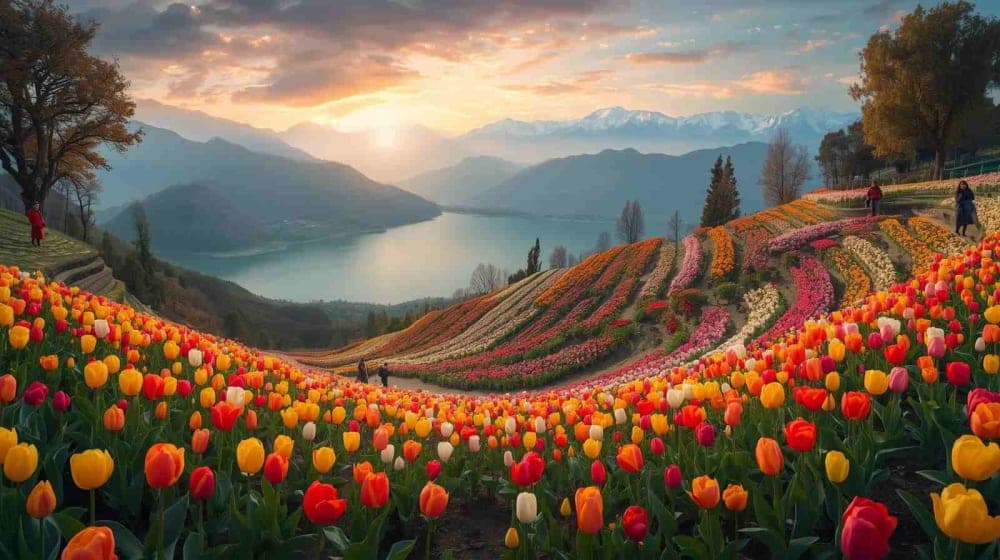
Tulip Festival 2026 in Kashmir
Tulip Festival 2026 Kashmir: Dates (Mar 26–Apr 30), timings, entry fee, how to reach, best hotels & travel tips. Your complete guide!

Published on
February 25, 2026
Sober Tourism 2026: How Gen Z and Millennials Are Rewriting the Rules of Travel
Discover how Gen Z and Millennials are driving the Sober Tourism trend — choosing alcohol-free retreats in Rishikesh, Kerala & beyond.
Published on
February 24, 2026
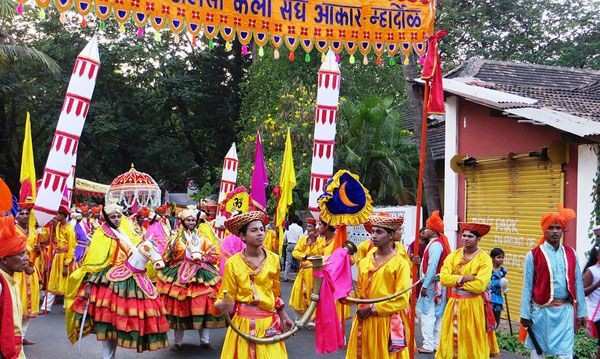
Shigmotsav 2026: Complete Travel Guide to Goa’s Grand Spring Festival
Shigmotsav 2026 in Goa from 5–18 March. Check dates, venues, parade schedule, traditions, tickets, travel tips and complete festival guide.
Published on
February 23, 2026
Real Kasol Travel Experiences: What People Say After Visiting Kasol
Read real Kasol travel experiences shared by people who've been there. Discover tips, hidden gems, costs, and everything you need for your Kasol trip.