
Shoja Valley: Himachal’s Hidden Paradise for Peace Seekers & Dreamers
Imagine waking up to misty pine forests, sipping hot chai on a wooden balcony, and hearing nothing but birds and waterfalls — that’s Shoja for you.
Tucked away between Jibhi and Tirthan Valley, Shoja Valley is one of Himachal Pradesh’s best-kept secrets. It’s calm, scenic, and refreshingly offbeat — the kind of place where time slows down and nature takes over.
Whether you’re planning a peaceful getaway, a romantic mountain escape, or an adventure-filled trek, Shoja in Himachal has something for every traveler.
Where is Shoja in Himachal?

| Details | Information |
| Location | Shoja, Banjar Tehsil, Kullu District, Himachal Pradesh |
| Altitude | Around 8,000 feet (2,438 meters) above sea level |
| Nearby Towns | Jibhi (7 km), Tirthan Valley (22 km), Aut (36 km) |
| Region | Seraj Valley, part of the Great Himalayan National Park ecozone |
Shoja connects Jibhi Valley and Tirthan Valley, making it a perfect midpoint for travelers exploring Himachal’s offbeat circuit.
What is the History and Significance of Shoja?
- Shoja was once a trade route stop between Kullu and Shimla regions.
- It belongs to the ancient Seraj area, rich in spiritual and cultural heritage.
- Local people still celebrate village fairs dedicated to forest deities.
- In recent years, Shoja has become a haven for eco-travelers, photographers, and remote workers seeking peace and nature.
What is the Best Time to Visit Shoja?

| Season | Months | Weather & Highlights |
| Spring – Summer | March to June | Pleasant weather (10°C–25°C); ideal for treks, sightseeing, and photography. |
| Monsoon | July to August | Lush green surroundings; great for solitude and nature lovers. |
| Autumn | September to November | Clear skies, golden forests, and crisp air — perfect for explorers. |
| Winter | December to February | Snowfall season; Shoja turns into a white paradise. |
Travel Tip: Visit from March to June for treks or December to February for snow experiences.
Shoja to Jibhi and Shoja to Tirthan Valley Distance
| Route | Distance (Approx.) | Travel Time |
| Shoja to Jibhi | 7 km | 20–25 minutes |
| Shoja to Tirthan Valley | 22 km | 1 hour |
| Shoja to Jalori Pass | 10 km | 30 minutes |
| Shoja to Serolsar Lake (via Jalori trek) | 5 km trek | 2 hours (one way) |
Shoja is the gateway to Jalori Pass, making it an ideal base for treks to Serolsar Lake and Raghupur Fort.
How to Reach Shoja

| Mode | Nearest Point | Distance to Shoja | Details |
| By Air | Bhuntar Airport (Kullu) | 60 km | Hire a cab from Bhuntar or Aut. |
| By Train | Joginder Nagar Railway Station | 95 km | Take a taxi or local bus from the station. |
| By Road | From Delhi (500 km) / Chandigarh (270 km) | — | Route: Delhi–Mandi–Aut–Banjar–Shoja. Ideal for a scenic road trip. |
Tip: The final stretch from Banjar to Shoja is narrow but picturesque, offering breathtaking views of the valley.
Shoja in Winter – A Snowy Paradise
- During December to February, Shoja experiences sub-zero temperatures.
- Snow blankets the entire valley, creating stunning landscapes.
- Perfect time for snow trekking, cozy homestays, and bonfire nights.
- Check local road updates before traveling, as snow can temporarily close routes.
Is There Snowfall in Shoja?

Yes, Shoja receives regular snowfall every winter, generally between mid-December and February. Nearby places like Jalori Pass and Raghupur Fort offer mesmerizing views of snow-covered peaks and meadows.
Shoja Waterfall – Nature’s Calm Corner
- The Shoja Waterfall (also called Serolsar Waterfall) is located just 1 km from the village.
- The short trail to the waterfall passes through pine forests and mossy rocks.
- Best visited during spring or monsoon for a stronger flow.
- It’s a perfect spot for meditation, nature walks, and photography.
- Tip: Wear comfortable shoes; the trail can be slippery after rainfall.
What is Shoja Famous For?

Shoja is known for:
- Its serenity and offbeat charm far from commercial crowds.
- The scenic Jalori Pass nearby.
- Serolsar Lake Trek and Raghupur Fort Hike.
- Traditional wooden architecture and homestays.
- Panoramic views of the Great Himalayan ranges.
Places to Visit at Shoja
| Attraction | Highlights |
| Jalori Pass | Offers 360° Himalayan views; ideal for snow and photography. |
| Serolsar Lake | Sacred lake surrounded by dense forests; trek from Jalori Pass. |
| Raghupur Fort | A moderate trek leading to meadows and fort ruins with valley views. |
| Shoja Waterfall | Peaceful natural spot close to the village. |
| Chehni Kothi | Historical tower temple near Jibhi, showcasing old Himachali architecture. |
| Great Himalayan National Park |
UNESCO site known for diverse wildlife and lush landscapes. |
Best Adventures to Do in Shoja
- Trekking to Serolsar Lake and Raghupur Fort
- Snow trekking and winter photography
- Camping under clear night skies
- Birdwatching and nature walks
- Exploring Jibhi and Tirthan Valley on short day trips
Zentrail’s Tirthan Valley Tour Package from Delhi covers Shoja, Serolsar Lake, and Raghupur Fort — a perfect choice for adventure and peace lovers.
Tips for Shoja Trip
- Carry warm clothing throughout the year.
- Keep cash handy; ATMs are limited in the area.
- Mobile connectivity can be weak in some regions.
- Prefer eco-stays and local homestays for authentic experiences.
- Drive cautiously on narrow mountain roads.
- Always check weather updates before your journey.

Conclusion
Shoja Valley is not just a place to visit — it’s an experience to feel.
From the whispering forests and tranquil waterfalls to the warmth of local homestays, Shoja in Himachal offers everything a mountain lover dreams of.
If you’re searching for peace, adventure, and untouched natural beauty, Shoja, Jibhi, and Tirthan Valley together make the ultimate Himachal trio.
Plan your trip with Zentrail’s Tirthan Valley Tour and rediscover the joy of slow mountain travel.


FAQs
How far is Shoja from Manali?
Are there cafes or restaurants in Shoja?
Can beginners do the Serolsar Lake Trek?
Is Shoja good for digital nomads?
Are there camping options in Shoja?
Your first trek isn’t about proving anything. It’s about experiencing something real. When you go with a Zentrail batch, you’re not just walking trails — you’re joining a tribe.
Still unsure?
DM us on Instagram or drop your questions in the comments below. Our past trekkers love helping first-timers.
Suggested Blogs

Published on
February 26, 2026
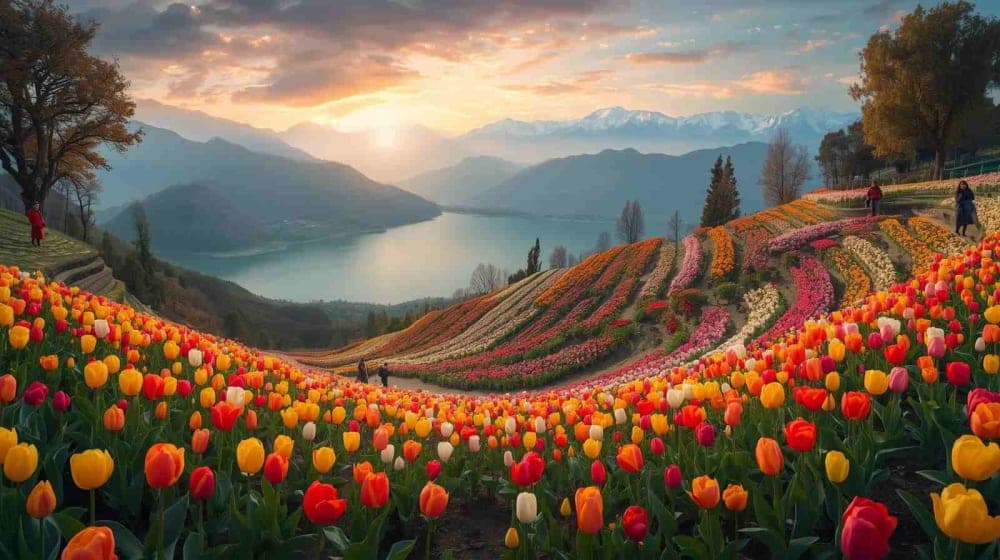
Tulip Festival 2026 in Kashmir
Tulip Festival 2026 Kashmir: Dates (Mar 26–Apr 30), timings, entry fee, how to reach, best hotels & travel tips. Your complete guide!

Published on
February 25, 2026
Sober Tourism 2026: How Gen Z and Millennials Are Rewriting the Rules of Travel
Discover how Gen Z and Millennials are driving the Sober Tourism trend — choosing alcohol-free retreats in Rishikesh, Kerala & beyond.
Published on
February 24, 2026
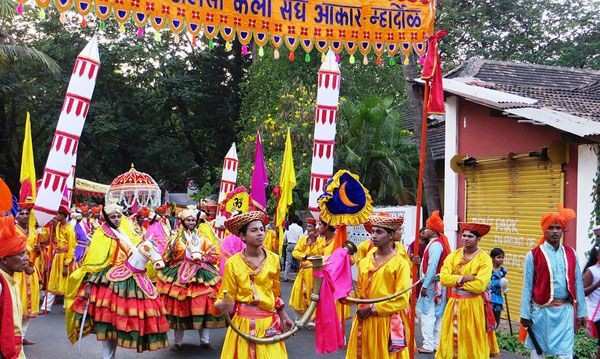
Shigmotsav 2026: Complete Travel Guide to Goa’s Grand Spring Festival
Shigmotsav 2026 in Goa from 5–18 March. Check dates, venues, parade schedule, traditions, tickets, travel tips and complete festival guide.
Published on
February 23, 2026
Real Kasol Travel Experiences: What People Say After Visiting Kasol
Read real Kasol travel experiences shared by people who've been there. Discover tips, hidden gems, costs, and everything you need for your Kasol trip.