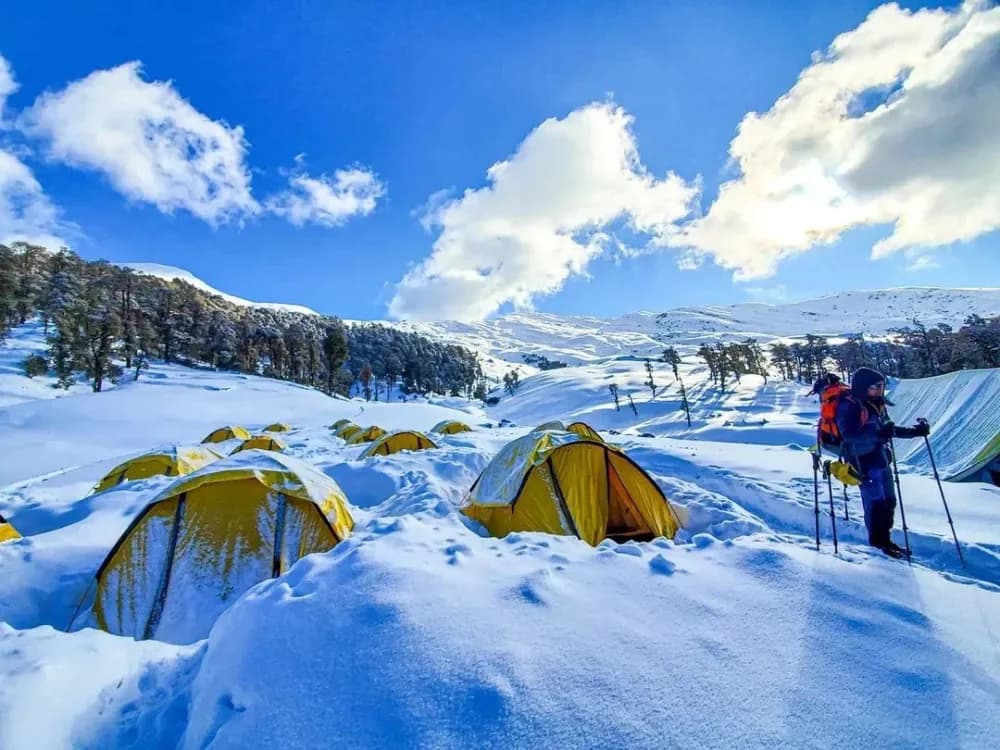
Winter Treks in India: 11 Stunning Snow Trails You Have to Experience
India’s winters aren’t just about cosy sweaters and chai. For trekkers, December to February is when the Himalayas turn into a magical white playground – soft snow, clear blue skies, frozen lakes and sunrises that actually make you forget your phone. If you’re searching for “winter treks in India” and want one complete guide that tells you where to go, when to go, how tough it is, what to pack, and how to stay safe – this is it. I’ve combined data from top trek operators, recent 2025 guides and on-ground trek stats to keep this 100% fresh, useful and trustworthy. Long, clear mountain views: Winter air is dry and clear, so you often see 100+ km mountain ranges that are hidden by monsoon haze in summer. Snow without extreme altitude: Many famous winter treks in India stay below 13,000 ft, so you get snow without needing technical climbing gear. Beginner–friendly options: Treks like Kedarkantha, Brahmatal, Dayara Bugyal are designed so even first-time trekkers with basic fitness can complete them. Best time for winter treks in India: Mid-December to early March for consistent snow on popular Himalayan trails. Why it’s famous: Region: Uttarkashi district, Uttarakhand Altitude: ~12,500 ft (3,800 m) Distance: ~20–25 km round trip Duration: 5–6 days Best months: Late December to February for peak snow Winter weather: Day: 5–10°C Night: can drop to –10 to –15°C in peak winter Highlights: Golden sunrise from the summit with views of Swargarohini, Bandarpoonch and Black Peak. Beautiful forest camps like Juda Ka Talab with frozen lakes in January. If you want deep snow, frozen lakes and big views with manageable difficulty, Brahmatal is one of the best winter treks in India right now. Region: Chamoli district, Uttarakhand Duration: 5–6 days Difficulty: Easy–Moderate; beginner-friendly with good fitness Best months: Late December – March Why trekkers love it: Walk through oak & rhododendron forests that open into vast white meadows. See peaks like Trishul & Nanda Ghunti glowing orange at sunrise. Brahmatal Lake often freezes over in peak winter – a huge attraction for photographers. Kuari Pass is a legendary trail popular since the British era, now considered one of the best Himalayan winter treks for mountain views. Region: Near Joshimath, Uttarakhand Highest altitude: ~12,516 ft (3,815 m) Distance: ~22–27 km Duration: 6 days Difficulty: Moderate What makes it special: Grand views of Nanda Devi, Dronagiri, Hathi–Ghoda, Kamet & many more. Charming oak & deodar forests, plus massive snow-covered meadows. Perfect for: Dayara Bugyal is one of the most underrated winter treks in India – wide meadows turn into a white ocean of snow, and the gradient is gentle enough for fit school students too. Why choose Dayara Bugyal: Extremely wide, safe snow slopes – perfect for first snow play and photography. Close-up views of Gangotri range on clear days. This route is iconic because it mixes mythology, temples, and a Himalayan summit in one short winter trek. Region: Rudraprayag district, Uttarakhand Duration: 4–5 days Difficulty: Easy–Moderate Highlights: Deoriatal Lake reflecting snow peaks. Visit Tungnath, the highest Shiva temple in the world open in summer, and trek to Chandrashila summit for epic sunrise views. Want snow but only have a weekend? Nag Tibba is your best bet. Region: Near Mussoorie, Uttarakhand Altitude: ~9,910 ft Duration: 2 days Difficulty: Easy; suitable for fit beginners and families Why it works: Short drive from Delhi / Dehradun, so minimal travel time. Good chances of snow in January–February, especially near the top. Sandakphu isn’t just a trek, it’s a moving balcony of the world’s tallest mountains. Region: West Bengal / Sikkim border Highest altitude: ~11,930 ft Duration: 5–6 days Difficulty: Moderate Unique factor: If you’re looking for quick winter escapes: Duration: ~7 days Type: Valley trek with rivers, villages & forest trails. Good for people who love landscapes + culture together. Duration: 2–3 days Start from McLeod Ganj / Dharamkot, climb to Triund, and in good conditions push to Snowline. Ideal for college students and first-timers wanting a taste of Himachal’s winter treks. Duration: 2 days Known for its frozen lake and unique floating island plus a beautiful wooden temple. Use this simple decision guide: If this is your first snow trek Pick: Kedarkantha, Dayara Bugyal, Nag Tibba, Prashar Lake If you want big summit views + moderate challenge Pick: Brahmatal, Kuari Pass, Deoriatal–Chandrashila, Sandakphu If you want a short weekend escape from North Indian cities Pick: Nag Tibba, Triund, Prashar Lake If you’re going with family / school kids (age 10+) Pick: Dayara Bugyal, Nag Tibba, Kedarkantha Winter treks are magical, but they’re also serious adventures. Always: Go with a certified local trek operator Look for groups that cap batch size, carry oxygen cylinders, pulse oximeters, and trained guides. Understand altitude sickness (AMS) Most winter treks listed here stay <13,000 ft, which reduces risk, but AMS can still happen. Watch for headache, nausea, loss of appetite and report to the leader immediately. Be realistic about fitness Even “easy” winter treks mean 4–6 hours of walking daily on snow at altitude. Start cardio (brisk walking/jogging) at least 4–6 weeks before your trek. Check weather & road conditions Heavy snowfall can close roads to Uttarkashi, Joshimath, Sankri, Lohajung and other base villages. Always keep 1 buffer day in your itinerary. Permits & rules Many trails fall under forest/eco zones. Your operator usually includes permits, but if you’re trekking independently, confirm forest permissions in advance from local authorities. 1 thermal inner (top & bottom) 2–3 quick-dry T-shirts 1 warm fleece jacket 1 padded/down jacket (main outer layer) 1 trekking pant + 1 extra warm layer / track pant 2 pairs of woollen socks + 3 pairs of sports socks Waterproof gloves + inner woollen gloves Woollen cap + neck warmer/balaclava High-ankle water-resistant trekking shoes with good grip Microspikes & gaiters for deep snow (usually provided by operators) 50–60L trekking backpack (with rain cover) Sunglasses (snow blindness is real) SPF 40+ sunscreen & lip balm Two 1-litre bottles / hydration bladder Personal medicines & basic first aid Tip: Avoid cotton inners – they stay wet and make you feel colder. Always prefer synthetic or wool layers for winter treks. Costs vary based on trail, operator and inclusions, but for a rough idea (per person): Short 2–3 day treks (Nag Tibba, Triund, Prashar Lake): Popular 5–6 day winter treks (Kedarkantha, Brahmatal, Kuari Pass, Dayara Bugyal): Travel from your city to the base village (bus, train, cab) is usually extra. If you’ve ever dreamt of walking through snow-covered forests, sleeping inside glowing tents and watching the Milky Way over white peaks, winter treks in India are the closest thing to stepping into a fantasy world – but real, cold, and absolutely unforgettable. Whether you’re a school student planning your first trek with parents, a college group looking for adventure, or a working professional escaping the city rush, there’s a winter trek in India tailored for you.Why Winter Treks in India Are So Special
Quick Overview – Best Winter Treks in India (2025)
1. Kedarkantha – India’s Most Popular Winter Summit Trek
Kedarkantha is often called “India’s favourite winter trek” because it offers a proper summit climb, 360° snow views, and fairy-tale campsites inside dense pine forests – all on an easy–moderate route.2. Brahmatal – Frozen Lakes & Big-Mountain Panoramas
3. Kuari Pass – The Classic Winter Pass Trek
Trekkers who’ve done 1–2 easy treks and now want a slightly longer, more challenging winter trek in India.4. Dayara Bugyal – Snowy Meadows Perfect for Beginners
5. Deoriatal–Chandrashila / Chopta–Tungnath
6. Nag Tibba – Best Weekend Winter Trek from Delhi
7. Sandakphu – The Sleeping Buddha & 8000-m Peaks
On clear winter mornings you can see Everest, Lhotse, Makalu and Kanchenjunga – 4 of the 5 highest mountains on Earth – in a single frame.8. Other Short, Beautiful Winter Treks in India
Har Ki Dun (Uttarakhand)
Triund + Snowline (Himachal Pradesh)
Prashar Lake (Himachal Pradesh)
How to Choose the Right Winter Trek in India
Safety Checklist for Winter Treks in India
Winter Trek Packing List
Clothing (Layering is the secret)
Footwear
Essentials
Budgeting for Winter Treks in India
Approx ₹3,000 – ₹6,000 including camping, food & guide (ex-base).
Approx ₹8,000 – ₹16,000 ex-base, depending on group size, equipment quality, and season demand.Final Thoughts


FAQs
Are winter treks in India safe for beginners?
Do I need professional trekking gear?
What is the minimum age for winter treks?
Can I do a solo winter trek in India?
Your first trek isn’t about proving anything. It’s about experiencing something real. When you go with a Zentrail batch, you’re not just walking trails — you’re joining a tribe.
Still unsure?
DM us on Instagram or drop your questions in the comments below. Our past trekkers love helping first-timers.
Suggested Blogs

Published on
February 26, 2026
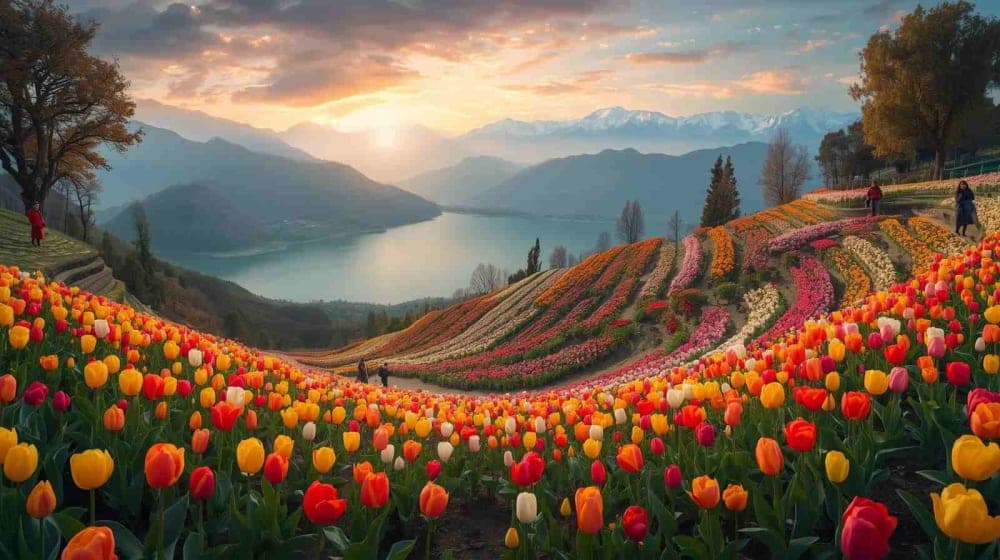
Tulip Festival 2026 in Kashmir
Tulip Festival 2026 Kashmir: Dates (Mar 26–Apr 30), timings, entry fee, how to reach, best hotels & travel tips. Your complete guide!
Published on
February 25, 2026
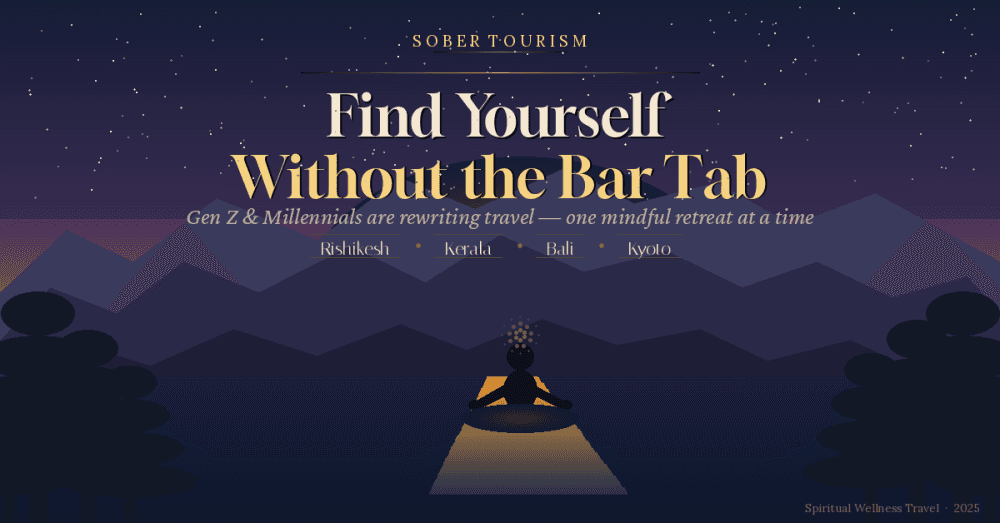
Sober Tourism 2026: How Gen Z and Millennials Are Rewriting the Rules of Travel
Discover how Gen Z and Millennials are driving the Sober Tourism trend — choosing alcohol-free retreats in Rishikesh, Kerala & beyond.
Published on
February 24, 2026
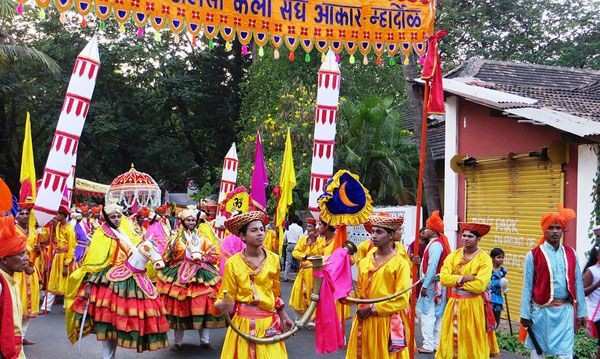
Shigmotsav 2026: Complete Travel Guide to Goa’s Grand Spring Festival
Shigmotsav 2026 in Goa from 5–18 March. Check dates, venues, parade schedule, traditions, tickets, travel tips and complete festival guide.
Published on
February 23, 2026
Real Kasol Travel Experiences: What People Say After Visiting Kasol
Read real Kasol travel experiences shared by people who've been there. Discover tips, hidden gems, costs, and everything you need for your Kasol trip.