
Exploring the Magic of Serolsar Lake: A Peaceful Himalayan Trek with a Sacred Touch
Far away from the traffic noise of Manali and the crowded lanes of Shimla, there exists a quiet Himalayan storybook called Serolsar Lake. Hidden deep inside the emerald forests of the Seraj Valley, this sacred alpine lake near Jalori Pass is not just a trekking destination — it is a place where mythology breathes, birds become guardians, and nature becomes a temple.
The Serolsar Lake trek is for those who seek more than views. It is for travelers who love listening to stories whispered by forests and legends carried by mountain winds.
About Serolsar Lake
Serolsar Lake is a small, perfectly round freshwater lake nestled among dense oak, kharsu, and deodar forests in Himachal Pradesh. Though modest in size, its charm lies in its purity and mystery. The lake appears like a mirror, reflecting the forest canopy in shades of green and blue.
What truly sets it apart is its legendary cleanliness. Despite being surrounded by trees that shed thousands of leaves, visitors often notice something unusual — no leaf ever stays floating on the lake for long.
The Mystery of the Unsinkable Leaf
Locals believe that a tiny bird known as the Abhi Chidiya removes every fallen leaf from the lake surface. This bird is said to be under divine duty, assigned by the goddess who protects the lake. Scientists may explain this through natural currents or microbial action, but for devotees, it is nothing short of a miracle that keeps Serolsar Lake eternally pure.
History of Serolsar Lake
The history of Serolsar Lake does not lie in written records but in powerful oral traditions passed through generations.
According to local belief, the lake is the sacred home of Mata Budhi Nagin, the ancient serpent goddess of the region. She is worshipped as the mother of 60 Nag Devtas who are believed to guard the valleys of Kullu and Mandi.
Legend says that after a mythical contest with 60 Joginis, Budhi Nagin settled here. One cheating spirit was cursed to become the Abhi Chidiya, forever cleaning the lake as penance. It is also believed that the goddess resides in a Golden Palace beneath the lake, a divine secret protected by its mysterious depth.
Serolsar Lake Trek
The Serolsar Lake trek is not about speed or endurance — it is about immersion.
The trail begins at Jalori Pass and moves gently through ancient forests that feel like a natural cathedral. Sunlight filters through tall deodar trees, birds echo across the silence, and the forest floor feels soft under layers of pine needles.
Along the way, trekkers often notice:
Wooden benches placed by locals for rest
Moss-covered trunks that look centuries old
Sudden forest clearings where silence feels louder than sound
It is a trek that heals as much as it excites.
Serolsar Lake sits at an elevation of approximately 3,100 meters (10,170 feet) above sea level. This altitude offers a true Himalayan experience without exposing trekkers to extreme altitude stress. The hike to Serolsar Lake feels more like a guided walk through a sacred forest than a challenging mountain climb. The trail is wide, shaded, and clearly marked, making it comfortable even for beginners. Many travelers say the most magical moment is not reaching the lake — it is the silence they experience while walking toward it. At around 3,100 meters, the air is cool and refreshing. Most people adjust easily with slow walking and proper hydration. Mild breathlessness is normal, but serious altitude issues are rare. This makes Serolsar Lake an ideal half-day trek from Jalori Pass. The trek difficulty is rated Easy to Moderate. It is perfect for: First-time trekkers Families with children above 8 years Solo travelers Senior trekkers with basic fitness No technical skills are required — just steady walking and a love for nature. The closest villages are Shoja and Jibhi. Shoja (Shoja Valley travel guide) is peaceful, traditional, and ideal for quiet stays. Jibhi (Jibhi travel guide) is more lively, popular among backpackers, and offers many homestays. Both villages serve as perfect bases for the trek. The trek officially begins at Jalori Pass (Jalori Jot), a scenic mountain pass that connects the Kullu region with parts of Shimla district. Weather near Serolsar Lake changes quickly due to altitude. Mornings are usually clear, while afternoons often bring mist and clouds. Even in summer, evenings feel chilly. The region experiences a sub-alpine climate — mild summers, cold winters, and cool breezes throughout the year. The forest cover keeps the area naturally cool. From December to March, Serolsar Lake often turns into a snowy wonderland. The lake may partially freeze, and the trail gets covered in snow. While the scenery is breathtaking, trekking becomes challenging and is recommended only for experienced hikers with proper winter gear. April to June is the most pleasant season. Forests bloom with rhododendrons, trails stay dry, and the weather remains stable. This is the safest and most enjoyable time for all age groups. Monsoon brings intense greenery but also slippery trails. Landslides near Jalori Pass can affect access. The lake looks mystical in mist, but trekking requires extra caution. Serolsar Lake is located in the Seraj Valley of Kullu district, Himachal Pradesh. It lies high above Jalori Pass and acts as a natural bridge between the Tirthan Valley and the Shimla region. The trekking distance from Jalori Pass to Serolsar Lake is around 5–6 kilometers, following a well-defined forest trail. From Jibhi, travelers cover: 12 km by road to Jalori Pass 5–6 km on foot to Serolsar Lake Take a bus from Delhi/Chandigarh to Aut From Aut, travel by taxi or local bus to Jibhi/Shoja Hire a local taxi from Jibhi or Shoja Enjoy 360° views of Pir Panjal and Dhauladhar ranges The forest trail begins just beside the pass Beside the lake stands the sacred Buddhi Nagin Temple, built in simple Himachali style using stone and wood. Pilgrims perform a parikrama around the lake and offer ghee at the temple. Locals believe that this offering reaches the goddess in her golden palace beneath the water and brings prosperity. Serolsar Lake is famous because it blends three rare elements: Spiritual importance as a major pilgrimage site of Nag Devtas Easy high-altitude trek suitable for beginners Mystical folklore like the unsinkable leaf and golden palace This mix makes it one of the most unique trekking destinations in Himachal. From misty forest corridors to mirror-like lake reflections, Serolsar is a photographer’s dream. Morning light and post-rain hours offer the most magical frames. To enjoy the trek safely and respectfully: Start by 9 AM to avoid evening mist Carry cash, ATMs are limited Wear proper trekking shoes Carry warm layers, even in summer Avoid loud music near the lake Do not throw anything into the water Respect the sacred nature of the place Serolsar Lake is not just another trekking destination in Himachal Pradesh — it is a place where nature, faith, and folklore quietly come together. From the mysterious story of the unsinkable leaves and the sacred presence of Mata Budhi Nagin, to the soothing forest trail that feels more like a spiritual walk than a hike, every part of this journey leaves a lasting impression. Unlike crowded tourist hubs, Serolsar offers something rare in today’s travel world — peace without isolation, adventure without pressure, and beauty without chaos. Whether you visit for trekking, photography, meditation, or simply to disconnect from routine life, this hidden Himalayan lake gives you an experience that stays long after the journey ends. If you are looking for a destination that feeds both your soul and your sense of adventure, the Serolsar Lake trek is a story you deserve to live, not just read about.Serolsar Lake Height
Serolsar Lake Hike
Serolsar Lake Altitude
Serolsar Lake Trek Duration
Serolsar Lake Trek Difficulty
Serolsar Lake Nearest Village
Serolsar Lake Starting Point
Serolsar Lake Weather
Serolsar Lake Climate
Serolsar Lake Temperature
Serolsar Lake in Winter
Serolsar Lake in Summers
Serolsar Lake in Rain
Where is Serolsar Lake Located?
Jalori Pass to Serolsar Lake Distance
Jibhi to Serolsar Lake Distance
How To Reach Serolsar Lake
Step 1: Reach Jibhi or Shoja
Step 2: Reach Jalori Pass
Step 3: Start the Trek
Best Time to Visit Serolsar Lake
Buddhi Nagin Temple in Serolsar Lake
Why is Serolsar Lake so Famous in Himachal Pradesh?
Serolsar Lake Trek Photos


Serolsar Lake Trek Tips
Conclusion
FAQs
Is camping allowed near Serolsar Lake?
Can the Serolsar Lake trek be done in snowfall season safely?
Are local guides available at Jalori Pass?
What wildlife can be seen near the Serolsar Lake trail?
Is Serolsar Lake suitable for meditation trips?
Are there any festivals linked to Budhi Nagin Temple?
How safe is the serolsar trek for solo women travellers?
What is the legend behind the Golden Palace under the lake?
Your first trek isn’t about proving anything. It’s about experiencing something real. When you go with a Zentrail batch, you’re not just walking trails — you’re joining a tribe.
Still unsure?
DM us on Instagram or drop your questions in the comments below. Our past trekkers love helping first-timers.
Suggested Blogs

Published on
February 26, 2026
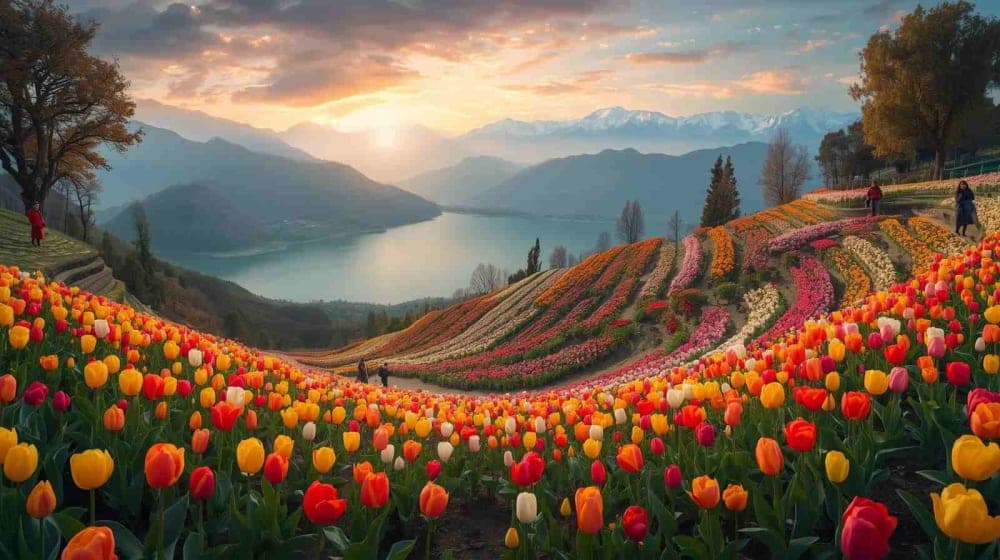
Tulip Festival 2026 in Kashmir
Tulip Festival 2026 Kashmir: Dates (Mar 26–Apr 30), timings, entry fee, how to reach, best hotels & travel tips. Your complete guide!

Published on
February 25, 2026
Sober Tourism 2026: How Gen Z and Millennials Are Rewriting the Rules of Travel
Discover how Gen Z and Millennials are driving the Sober Tourism trend — choosing alcohol-free retreats in Rishikesh, Kerala & beyond.
Published on
February 24, 2026
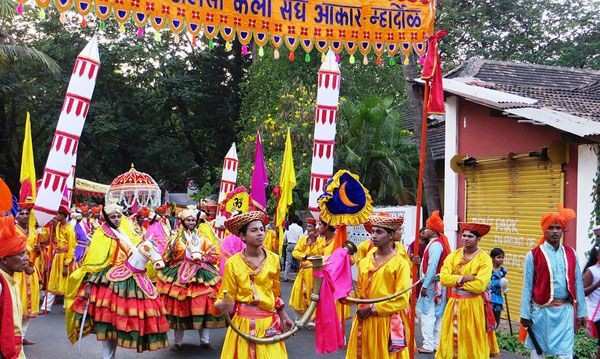
Shigmotsav 2026: Complete Travel Guide to Goa’s Grand Spring Festival
Shigmotsav 2026 in Goa from 5–18 March. Check dates, venues, parade schedule, traditions, tickets, travel tips and complete festival guide.
Published on
February 23, 2026
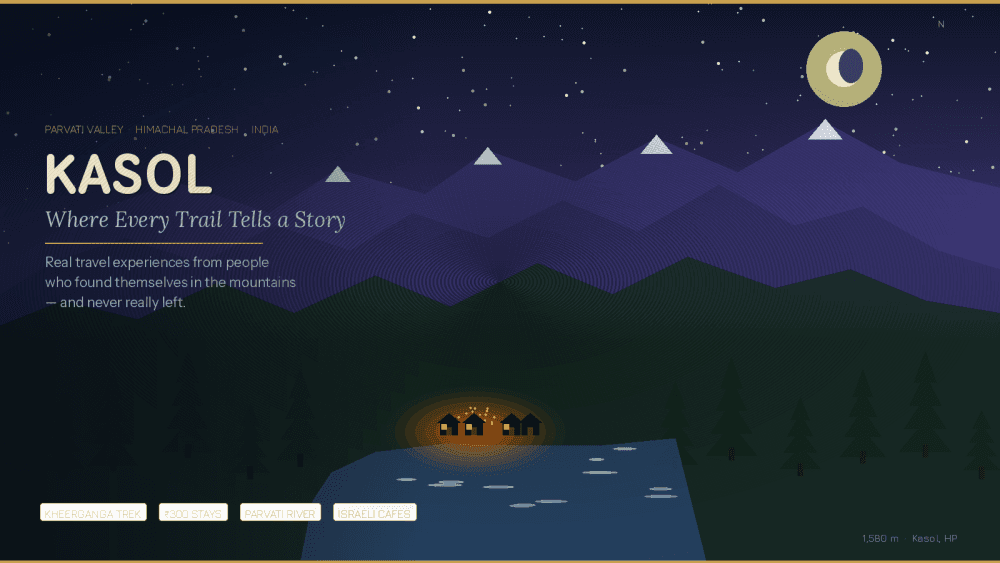
Real Kasol Travel Experiences: What People Say After Visiting Kasol
Read real Kasol travel experiences shared by people who've been there. Discover tips, hidden gems, costs, and everything you need for your Kasol trip.