
Shoja: Discover Himachal’s Secret Village Where Time Stops and Magic Begins!
If Jibhi is the popular younger brother who loves a party, Shoja is the elder, wiser sibling who sits quietly by the fireplace, nursing a cup of wild-berry tea. Located at 8,800 feet in the Seraj Valley, Shoja isn’t just a destination; it’s a portal to an older, slower Himachal. In 2026, as most hill stations struggle with crowds, Shoja remains a sanctuary of silence, punctuated only by the call of the Western Tragopan and the rustle of deodar needles. Shoja is not the kind of place that shouts for attention. It doesn’t trend loudly on Instagram every season, and it doesn’t have big malls, crowded cafes, or traffic jams. Yet, slowly and quietly, Shoja is becoming the new offbeat travel destination for travelers who want peace, nature, and real mountain life. This article is not just a guide. Shoja is a tiny village in Himachal Pradesh, located near Jalori Pass, between Tirthan Valley and Banjar. Many people pass through this area without even realizing that one of Himachal’s most peaceful villages is hiding just a few turns away from the main road. There are no loud signboards saying “Welcome to Shoja.” Instead, you’ll find: Wooden houses with sloping roofs Dense pine and deodar forests Mist floating slowly over the hills Silence that feels comforting, not empty Shoja feels like a place where time moves slower, and honestly, that’s its biggest luxury. To understand Shoja, you must understand its stories. The Mother of Snakes: A 5 km trek from Jalori Pass leads you to Serolsar Lake. Local lore says the lake is the home of Budhi Nagin, the mother of all Nag deities in Himachal. It is said the lake is so sacred that even the birds don't let a single leaf float on its surface—they pick them up immediately to keep the water crystal clear. The Sage of the Mountains: The valley is governed by Shringa Rishi, a powerful deity. His wooden pagoda-style temple in nearby Baggi is an architectural marvel. Locals believe the mountain's weather is directly tied to the Rishi's mood. When Aryan arrived in Shoja, he didn't find big shopping malls or fancy KFCs. Instead, he found a tiny village at 8,500 feet where time seemed to have stopped. In travel, "offbeat" means a place that isn't crowded with thousands of tourists. While nearby places like Jibhi are becoming very busy, Shoja remains the quiet elder brother. It is a place for "Slow Travel." It’s where you read a book for hours, walk through the forest without a map, and talk to the locals like they are your old friends. In the last few years, travelers have started changing. People don’t just want photos anymore—they want feelings. Here’s why Shoja is becoming popular among offbeat travel lovers: Places like Manali, Shimla, and Kasol are beautiful—but often overcrowded. Shoja offers the same mountain beauty without noise and chaos. No big hotels. Just nature, local homes, and simple stays. Shoja is not about “covering spots.” You wake up early—not because of an alarm, but because sunlight enters softly through the window. Outside, the forest is quiet. You hear birds, not horns. You step out with a cup of tea. Clouds are floating below you. This is the moment when travelers realize why Shoja feels special. No attraction can match this feeling. Shoja is not about a long checklist. It’s about small experiences that stay with you. Shoja is surrounded by thick pine and oak forests. Even a short walk feels like meditation. Just a short drive away, Jalori Pass offers stunning views and cool winds even in summer. This is one of the most loved short treks near Shoja. Easy trek Forest trail Peaceful lake with a small temple Perfect even for beginners. Yes, this is an activity in Shoja. Shoja looks different in every season: Pleasant weather Green valleys Best for walking and trekking Lush greenery Fewer tourists Occasional landslides (travel carefully) Clear skies Golden forests Perfect for photographers Snowfall Magical white landscapes Ideal for snow lovers (roads may close) Best overall time: April to June and October to November Shoja is known for homestays and wooden cottages, not luxury resorts. You’ll find: Cozy wooden homes Local food cooked fresh Warm hosts who treat you like family Most stays offer valley-facing rooms, fireplaces, and peaceful surroundings. Don't just eat "Maggi"—experience the authentic mountain fuel: Siddu: The king of Himachali food. Steamed bread stuffed with walnut, poppy seeds, and local spices. It's usually served drenched in liquid Ghee. Kullu Trout: If you are near the Tirthan, ask for the pan-fried trout with local herbs. Pahari Dham: A traditional feast cooked by Botis (specialized cooks). It features Madra (chickpeas in yogurt) and Kadi. Wild Rhubarb Chutney: Tangy, spicy, and only available during specific seasons. Delhi → Aut → Banjar → Shoja Well connected but last stretch is narrow Nearest station: Chandigarh Continue by taxi or bus Nearest airport: Bhuntar (Kullu) Around 2–3 hours drive from the airport Shoja is perfect for: Nature lovers Couples looking for quiet time Solo travelers Writers, artists, and photographers People who want peace, not parties Not ideal for: The Jalori Tunnel Project: While the long-awaited tunnel below Jalori Pass is now officially funded ($1.45 billion), construction is in the early stages. For now, the "Old Road" remains your only (and most scenic) path. Connectivity Check: 5G has reached the main market area, but once you enter the homestays, signal drops. Digital Detox is mandatory here. Eco-Tourism Hub: Shoja is part of the 2026 "That's You" eco-tourism initiative. You’ll find more "Plastic-Free" zones and local-led nature walks than ever before. Important Note: In winter (Dec–Feb), the road from Jibhi to Shoja often freezes. If you're driving, a 4x4 is non-negotiable. If you're in a regular car, hire a local "Mountain Pilot" from Banjar. Cash is King: The nearest ATM is in Banjar (about 15 km away) and it often runs out. Carry enough physical cash. The "Three-Layer" Rule: Even in June, the nights in Shoja can dip to 10°C. Always pack: 1. A base layer (cotton), 2. A fleece, 3. A windcheater. Footwear: Bring shoes with a "Vibram" or "Mountain Grip" sole. The trails to Raghupur Fort can be slippery with pine needles. Day 1: The Arrival & Soft Walk. Reach Shoja by noon. Settle into a wooden homestay. Walk down to the Shoja Waterfall. End the night with a bonfire and stars that look close enough to touch. Day 2: The High Altitude Trek. Drive to Jalori Pass. Trek to Serolsar Lake (easy) or Raghupur Fort (moderate). Pack a picnic lunch. Return to Shoja for hot Siddu. Day 3: The Culture Dive. Head down to the Tirthan Valley. Visit the Great Himalayan National Park (GHNP) gate. Explore the old wooden houses of Gushaini before heading back to the plains. Shoja doesn’t try to impress you. It doesn’t sell experiences. In a world full of noise, Shoja feels like a pause button. That’s why travel lovers are slowly finding it—and falling in love. Remember the "That’s You" campaign launched by the Himachal government? It’s all about finding yourself in nature. Shoja is the perfect "poster child" for this campaign. When you are in Shoja: The silence is for you. The fresh air is for you. The traditional wooden houses are for you. It’s not a place where you are just another "tourist number." In Shoja, you are a guest. The local families will offer you Siddu (a delicious steamed bun) and tell you stories of the mountains that you won't find on Google. Many people get confused between these two. Here is the simple truth: Choose Jibhi if you want cafes, music, more people to talk to, and a riverside vibe. Choose Shoja if you want total peace, better views of the high mountains, and a real "offbeat" experience. Zentrail Pro Tip: Stay in Shoja for the views, and take a day trip to Jibhi for the cafes! Shoja doesn’t give you stories to tell others. If you are tired of rushing, scrolling, and planning… And when you leave, you don’t feel like you’ve visited a destination. Experience the best offbeat trip with Zentrail’s Shoja Tour Package 2026.Shoja: The Village Where Time Forgot Its Watch
It’s a story of discovery—of how Shoja wins your heart without trying too hard.A Small Village That Feels Like a Secret
No long lines of tourists.
No rush.The Legends of the Soil
The Discovery: Why Shoja is "Offbeat"
What does "Offbeat" really mean?
Why Travel Lovers Are Choosing Shoja Now
1. People Are Tired of Crowded Hill Stations
2. Shoja Still Feels Untouched
No flashy cafés.
No loud nightlife.3. Perfect for Slow Travel
It’s about staying, breathing, walking, and observing.A Morning in Shoja: When You Understand the Magic
Mountains look closer than ever.
The air is cold, fresh, and clean.Top Things to Do in Shoja
The "Must-Do" Checklist
1. Walk Through the Forests
2. Visit Jalori Pass
3. Trek to Serolsar Lake
4. Sit and Do Nothing
Reading, writing, thinking, or just watching clouds is the real luxury here.Best Time to Visit Shoja
Summer (March to June)
Monsoon (July to September)
Autumn (October to November)
Winter (December to February)
Where to Stay in Shoja
Food in Shoja: Simple, Local, and Heartwarming
Tastes of the Seraj Valley
How to Reach Shoja
By Road
By Train
By Air
Who Should Visit Shoja?
Those looking for nightlife, shopping, or crowded tourist attractions.2026 Travel Updates: What’s New?
The Traveler’s "Survival Kit"
The Perfect 3-Day Shoja Itinerary
Why Shoja Feels Different From Other Hill Stations
It offers space—to breathe, think, and feel.The "That’s You" Connection: Why People are Falling in Love with Shoja
Shoja vs. Jibhi: Which One Should You Choose?
Shoja Is Not a Place, It’s a Feeling
It gives you stories to keep for yourself.
Shoja waits quietly, just as it always has.
You feel like you’ve returned calmer than before.


FAQs
Is Shoja safe for tourists?
Is Shoja suitable for family trips?
How many days are enough for Shoja?
Is mobile network available in Shoja?
Can I work remotely from Shoja?
Your first trek isn’t about proving anything. It’s about experiencing something real. When you go with a Zentrail batch, you’re not just walking trails — you’re joining a tribe.
Still unsure?
DM us on Instagram or drop your questions in the comments below. Our past trekkers love helping first-timers.
Suggested Blogs

Published on
February 26, 2026
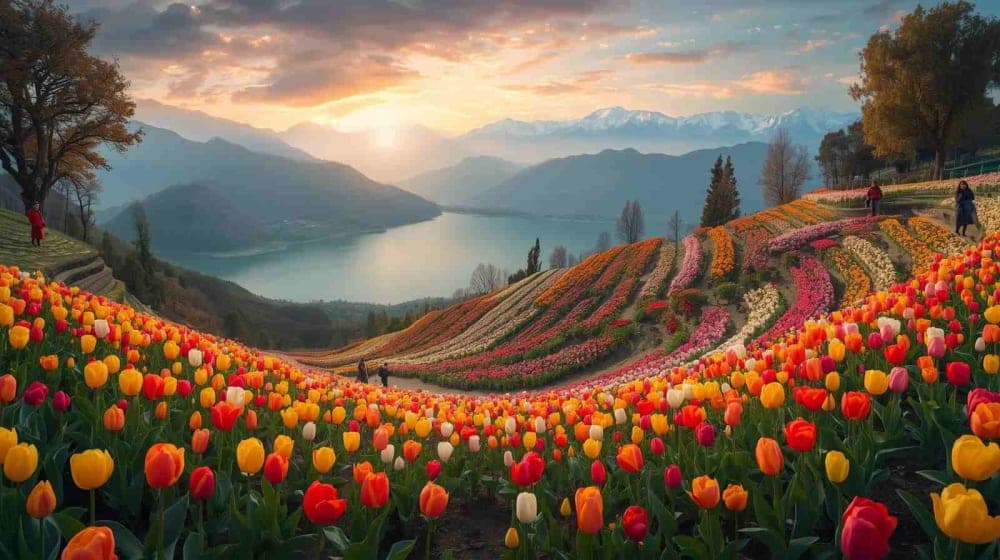
Tulip Festival 2026 in Kashmir
Tulip Festival 2026 Kashmir: Dates (Mar 26–Apr 30), timings, entry fee, how to reach, best hotels & travel tips. Your complete guide!

Published on
February 25, 2026
Sober Tourism 2026: How Gen Z and Millennials Are Rewriting the Rules of Travel
Discover how Gen Z and Millennials are driving the Sober Tourism trend — choosing alcohol-free retreats in Rishikesh, Kerala & beyond.
Published on
February 24, 2026
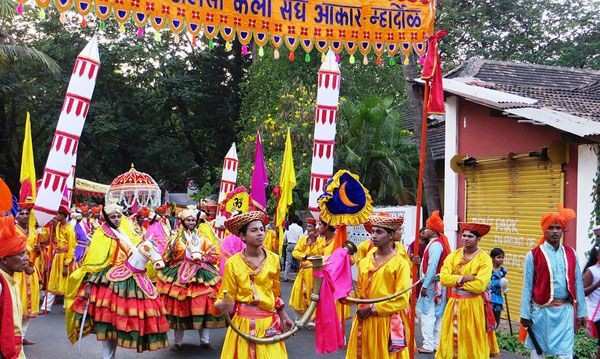
Shigmotsav 2026: Complete Travel Guide to Goa’s Grand Spring Festival
Shigmotsav 2026 in Goa from 5–18 March. Check dates, venues, parade schedule, traditions, tickets, travel tips and complete festival guide.
Published on
February 23, 2026
Real Kasol Travel Experiences: What People Say After Visiting Kasol
Read real Kasol travel experiences shared by people who've been there. Discover tips, hidden gems, costs, and everything you need for your Kasol trip.